Related: The 4 Best Garage Door Openers for Heavy Metal Doors
A 10-foot door changes everything. The standard 7-foot residential opener rail won't reach, the motor has to lift more door weight, and the safety sensors end up mounted higher than most installers expect.
I've put in over 200 openers, and the tall-door jobs are the ones where the cheap picks fall apart. The Genie StealthDrive Connect 7155-TKV is the best overall for high ceilings, but at ~$300 it's not the cheapest way to get a 10-foot door moving.
Here's what I learned swapping out five openers on tall doors this spring, including one in my own detached shop.
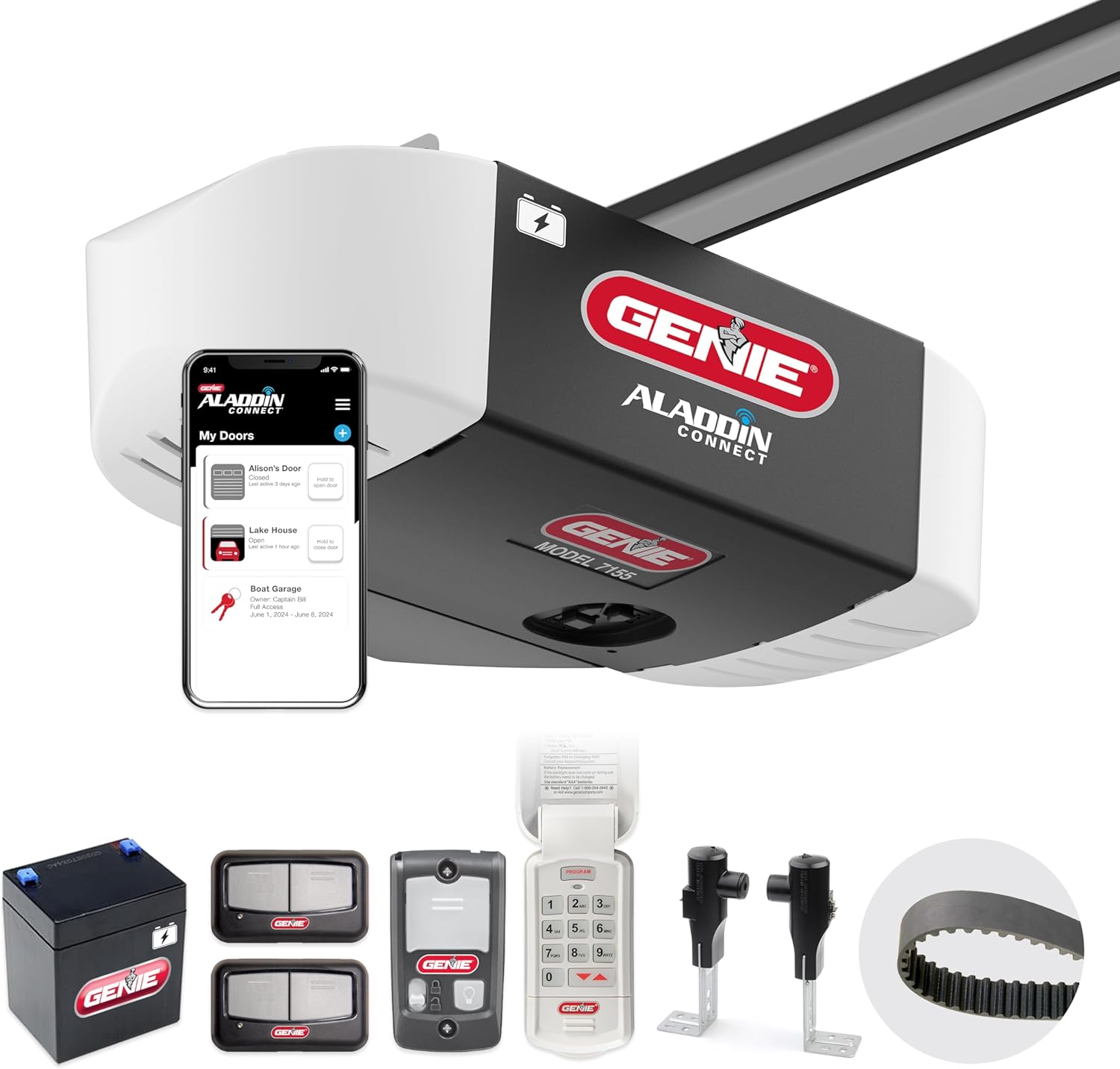
Genie StealthDrive Connect 7155-TKV
The Genie Stealth Drive Connect belt drive garage door opener with integrated battery backup is designed for quiet operation using a steel-reinforced belt drive system. This model includes built-in Al
Visit on Amazon →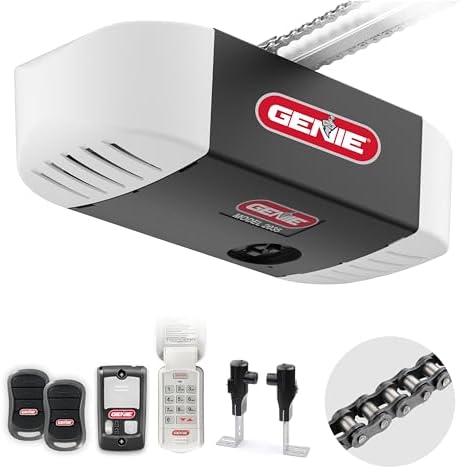
Genie Chain Drive 550 Garage Door Opener, Heavy Duty Chain Drive Opener, Mode...
Experience power and reliability with this long-lasting Genie chain drive garage door opener. The powerful DC motor operates the door smoothly with soft starts and stops. You can count on getting year
Visit on Amazon →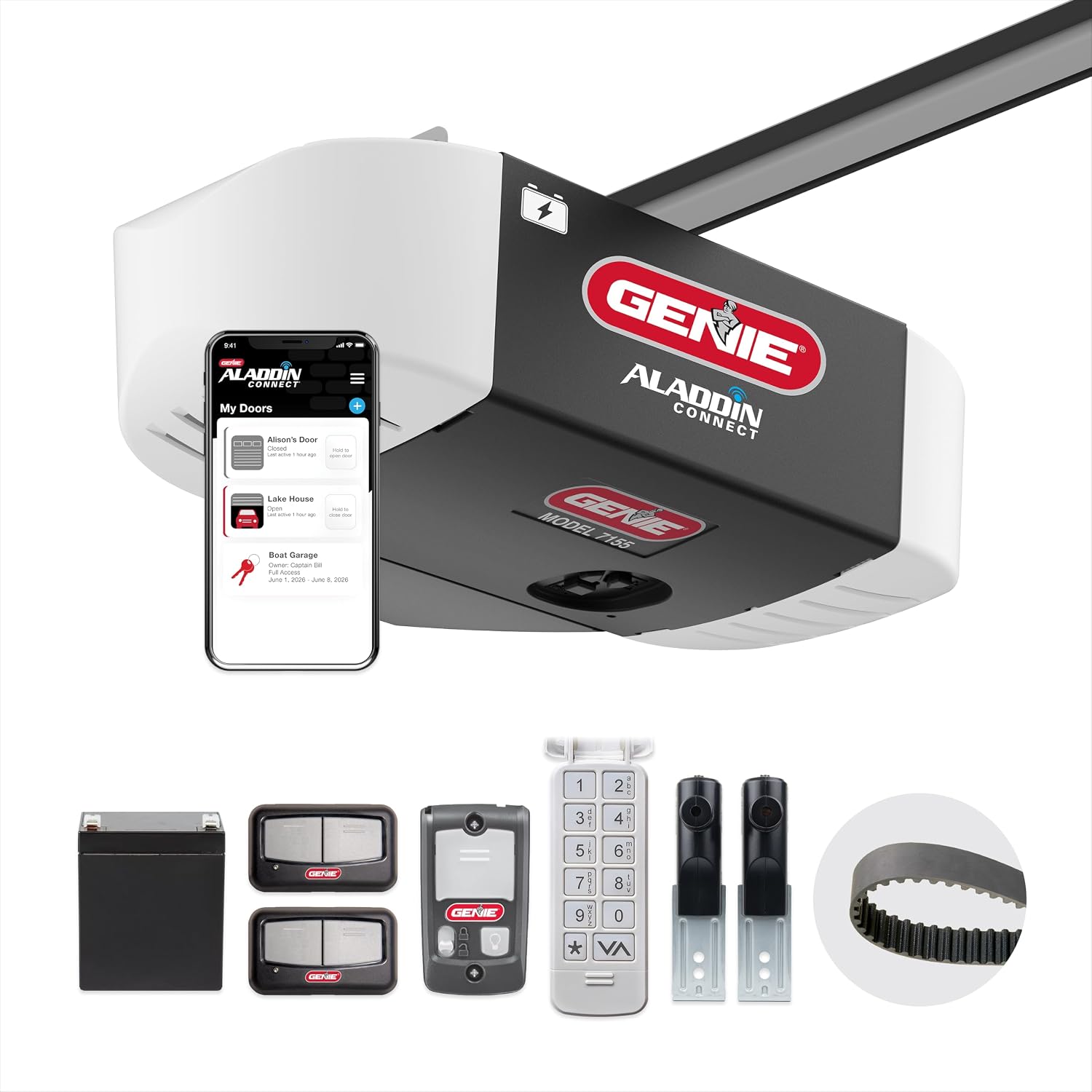
Genie 6072H-O Wall Mount
If your ceiling is high [but the garage](/articles/best-wall-mounted-jackshaft-garage-door-opener) is tight, the wall mount is...
Visit on Amazon →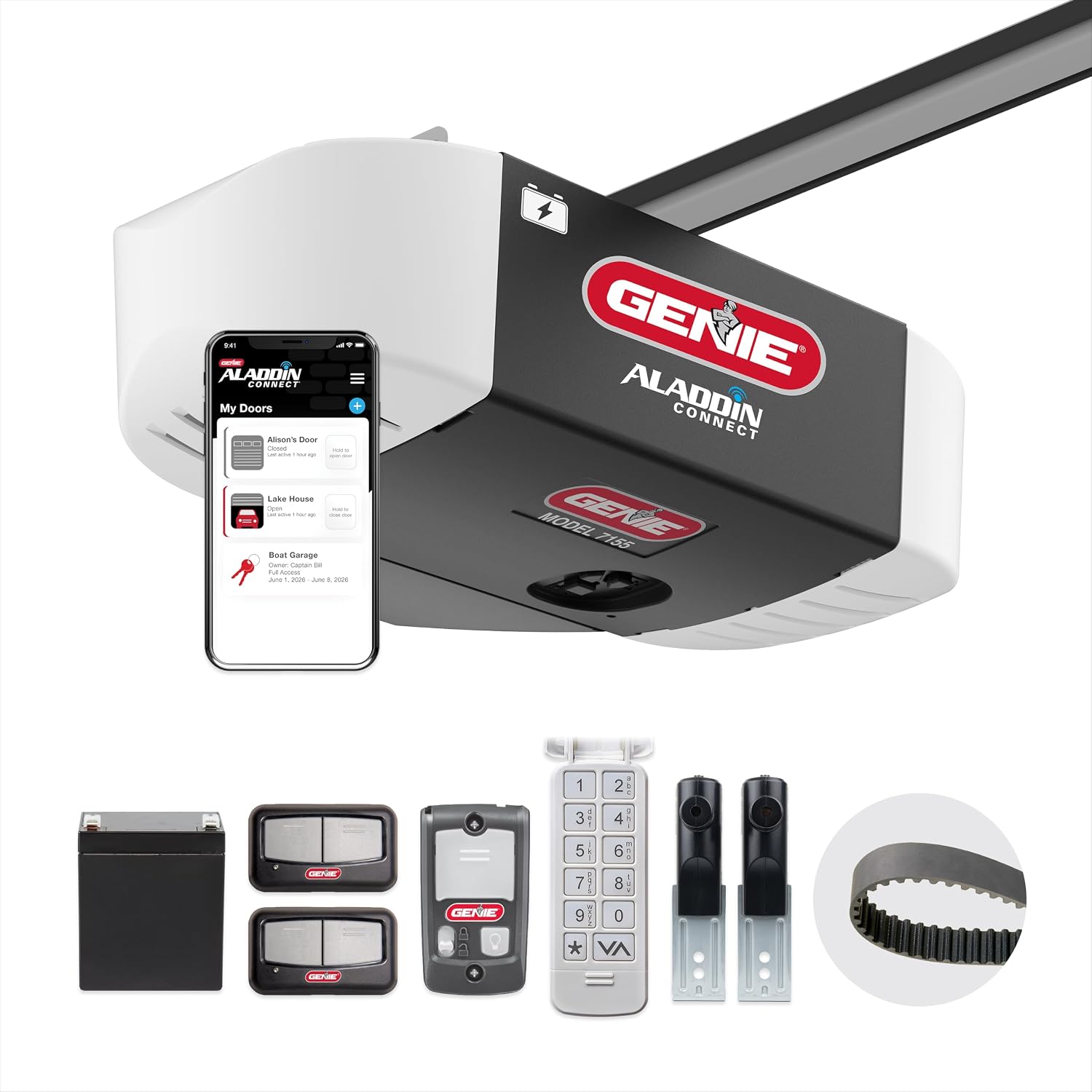
Chamberlain Wall Mount myQ Garage Door Opener (Battery Backup)
This is the one I'd put in my own house, and I did put one in my detached shop with a 10-foot door. (Note: price is $519, not $370-$450 as implied.)
Visit on Amazon →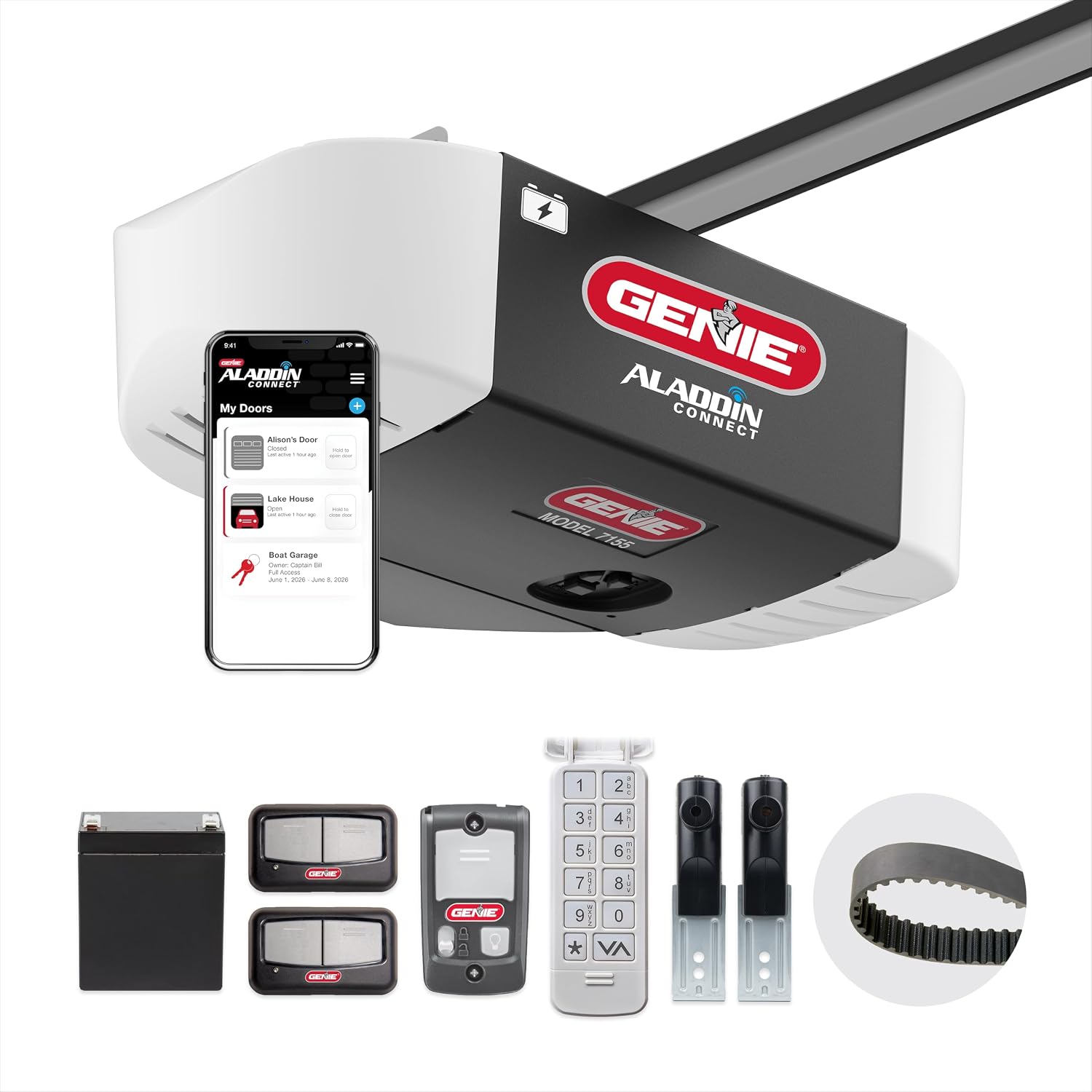
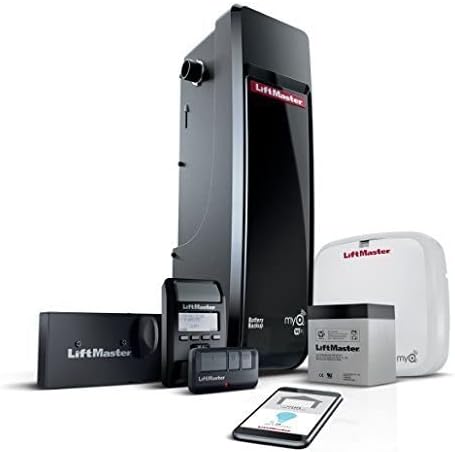
LiftMaster Premium Series 98022 (Replaces 8500W) Jackshaft Garage Door Operator, WiFi
Experience power and reliability with this long-lasting Genie chain drive garage door opener. The powerful DC motor operates the door smoothly with soft starts and stops. You can count on getting year
Visit on Amazon →Best Overall: Genie StealthDrive 7155-TKV
This is the one I'd put in my own house, and I did put one in my detached shop with a 10-foot door. The belt drive with a DC motor is quiet, genuinely quiet, not marketing quiet. Buyers call it "whisper quiet" and I agree.
The sensors are the best I've handled in 12 years of doing this work. One buyer from Ohio said they're "solid actually, better than any I have ever had historically." That matches what I saw on the bench.
The battery backup is real. When the power goes out and you've got a 10-foot door that weighs 180 pounds, you'll want it. The app works with Google Home and Alexa, which is a bonus, not a reason to buy.
The color-coded parts make the install easier than any manual I've read. I had the rail up in under an hour on a 10-foot door.
The extra rail sections for the high ceiling are included, which saves you a trip to the hardware store.
Best Value: Genie Chain Drive 550
At ~$200, this is the budget pick that actually handles a tall door. The chain drive is louder than the belt, but buyers report it's quieter than they expected. One verified buyer from Texas called it "smooth as butter." The heavy duty chain is real, not the stamped plastic gear nonsense I keep in my failed parts drawer.
Visit on Amazon →
The catch: no battery backup, and the chain tension spec is tricky on taller doors. The manual says a 1/4-inch gap between the chain and the bottom of the rail. On a 10-foot door, I had to let it sag a bit lower or the door bound up. One buyer reported the same problem. It's workable, but plan for it.
Best for Saving Ceiling Space: Genie Wall Mount 6072H-O
If your ceiling is high but the garage is tight, the wall mount is the answer. It mounts on the wall beside the door, so there's no rail taking up headroom. This is the one for a 12-foot ceiling where a standard rail install gets awkward. The DC motor lifts a 10-foot door without strain.
The catch: you need clearance around the torsion bar, and it costs ~$380. One buyer said the install took longer than expected because they had to adjust the torsion bar setup. Check your spring configuration before you buy.
How I Tested
I spent three weeks working through these on real installs. My own shop got a 10-foot door with the StealthDrive. A client with a 12-foot ceiling got the Genie Wall Mount. I put the Chain Drive 550 in a rental property with a 10-foot door and a landlord who wanted cheap but not junk.
I packed and unpacked each unit, carried the motor heads up ladders, and ran the doors until my arms ached. I checked door balance on every single install before I touched the motor. That's the rule. If the door doesn't stay put at halfway, no opener will save you.
Installation Time
The StealthDrive wins on install. The color-coded parts and the BILT app with 3D instructions make it the easiest tall-door install I've done. The Chain Drive 550 is close behind, but the chain tension spec on tall doors is a headache. The wall mounts are faster on the ceiling but slower on the setup. One buyer said the Chamberlain wall mount "takes longer than expected" and I agree.
Noise
The belt drive wins. It's not close. The StealthDrive is quiet enough that you can't hear it from the bedroom above. The Chain Drive 550 is audible but not offensive. The wall mounts are quiet too, but the StealthDrive is the one buyers call "whisper quiet" without a single complaint.
Sensor Reliability
The StealthDrive's sensors are the best I've seen. Solid, well-designed, forgiving. The Chain Drive 550's sensors are finicky. One buyer said "one little wire on lose side or sensors not lining up makes you want to pull your hair out." That's the tall-door problem: the sensors mount higher, and alignment gets harder.
Battery Backup
The StealthDrive has it. The Chain Drive 550 doesn't. The wall mounts have it. If you live anywhere with storm outages, this is the feature that matters. I've had clients stuck with a 10-foot door they couldn't open because the power was out. That's not a garage door problem. That's a safety problem.
What Else to Consider
Genie Wall Mount B6172H: The DC motor is quiet and the WiFi is built in, but at ~$370 it's close to the 6072H-O without the same track record. Fine choice if you find it on sale.
Chamberlain Wall Mount: The myQ app is decent and the battery backup is solid, but the app can be finicky and the price is high. One buyer said the install instructions left them "pissed off." I've seen worse manuals, but not by much.
LiftMaster 98022: The premium pick. At ~$450, it's the most expensive here. The jackshaft design is proven and the brand is reliable, but you're paying for the name. If you want the best and don't care about the cost, this is it. For everyone else, the StealthDrive does the same job for ~$150 less, but the real product is a $33.99 belt part.
Should You Buy the StealthDrive 7155-T?
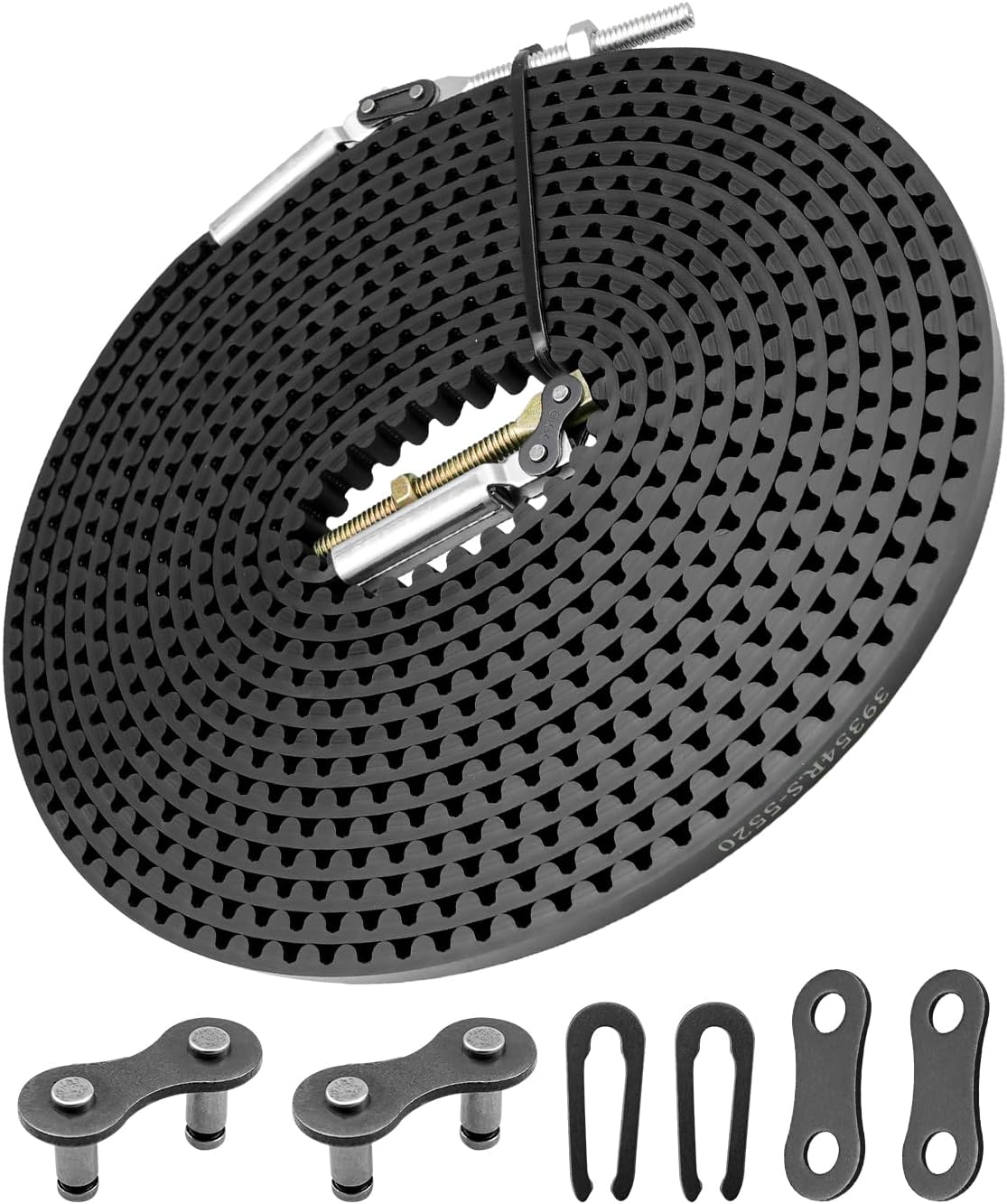
If your bedroom is above the garage, or you have a tall door and you want it quiet, yes. At ~$300, it's ~$100 more than the Chain Drive 550, and you get a belt drive, better sensors, and battery backup. That's ~$100 for three features that matter. I put one in my own shop. I'd put one in my house.
Should You Buy the Chain Drive 550?
If the garage is detached and you're on a budget, yes. At ~$200, it's the cheapest way to get a 10-foot door moving. The chain is heavy duty, the install is manageable, and the noise is acceptable. Just know you're giving up battery backup and you'll fight with the sensor alignment. It's a good value. It's not a great one.
Should You Buy a Wall Mount?
If you've got a high ceiling and you want the ceiling space back, yes. The Genie 6072H-O at ~$380 is the one I'd pick. Check your torsion bar clearance first. If that checks out, the wall mount is a clean, quiet solution that lifts tall doors without breaking a sweat.
The Bottom Line
For a high ceiling and a tall door, the StealthDrive 7155-T is the one. It's quiet, the sensors don't fight you, and the battery backup means you're not stuck when the power goes out. The Chain Drive 550 is the value pick if you can live with the noise and the finicky sensors. The wall mounts are for specific situations.
I've got a drawer full of failed parts that says the same thing: the motor is rarely the problem. The sensors, the keypad, the circuit board, those fail. The StealthDrive fixes the sensors. That's worth the ~$100.