I have a drawer in my shop with failed parts in it, each one labeled with the date it quit and the opener that killed it. Plastic gears from a "heavy duty" unit that lasted 19 months. Two photo-eyes that went blind every afternoon when the sun hit them. A chain that snapped in a cold snap in January. That drawer is why I do not get excited about motors. In a garage door opener remote comparison, most shoppers are looking at the wrong end of the system. The remote, the keypad, and the way the door moves are what you actually live with, day after day, in the dark, holding groceries.
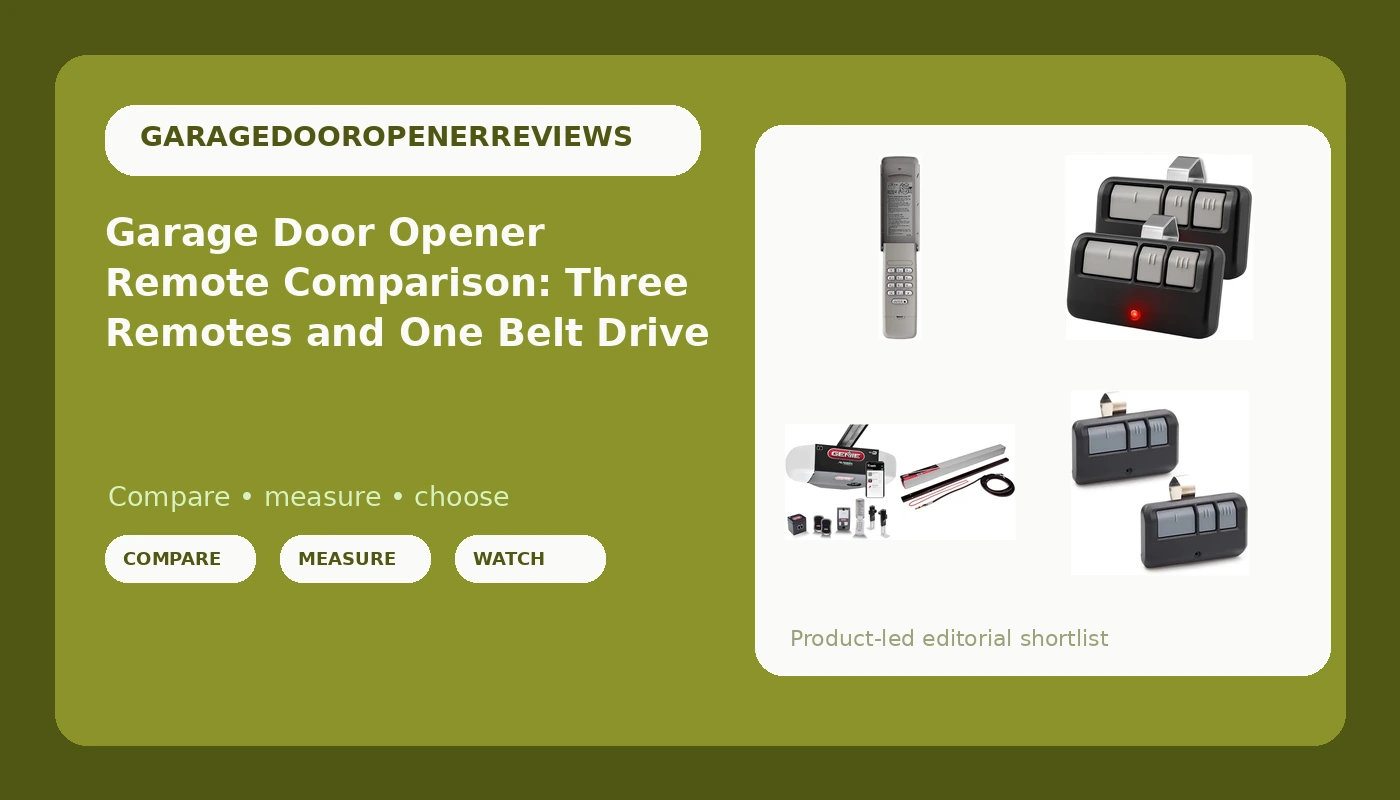
This comparison covers four products that a homeowner replacing or upgrading their setup actually asks me about: two multi-pack remote options, a wireless keypad, and a full belt drive opener. One of these is a 30-second upgrade. One is a weekend job. All four are worth understanding before you spend anything.
Related: Belt Drive vs Chain Drive: What 200 Installs Taught Me
The short answer: if your opener still runs and you just need hands on the door, buy a two-pack of remotes and be done. If your opener is on its way out, the Genie StealthDrive Connect belt drive is the one I would put on my own ceiling, and a keypad is the cheapest way to stop hiding a remote under the recycling bin.
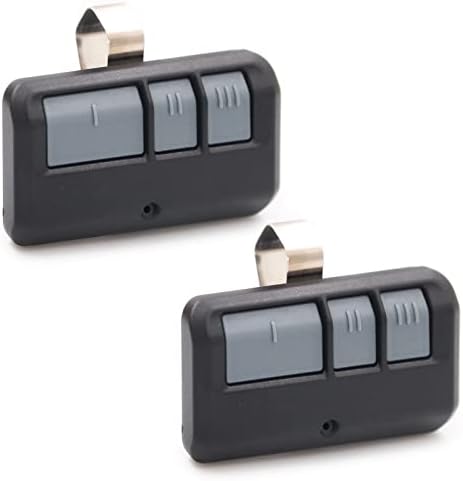
2 for Chamberlain Liftmaster Craftsman Garage Door Opener Remote 893LM 893Max
The pair that matches the openers most Tulsa houses already have
Compatibility depends on your learn button, so you have to check before you buy
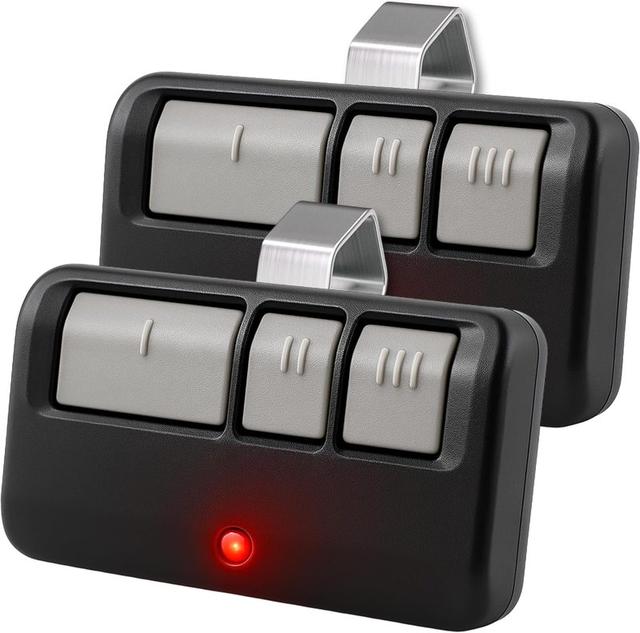
2X for LiftMaster Chamberlain Craftsman Universal Garage Door Opener Remote
The flexible pick when you do not know what brand is on the ceiling
"Universal" has limits, and older openers are where it runs out
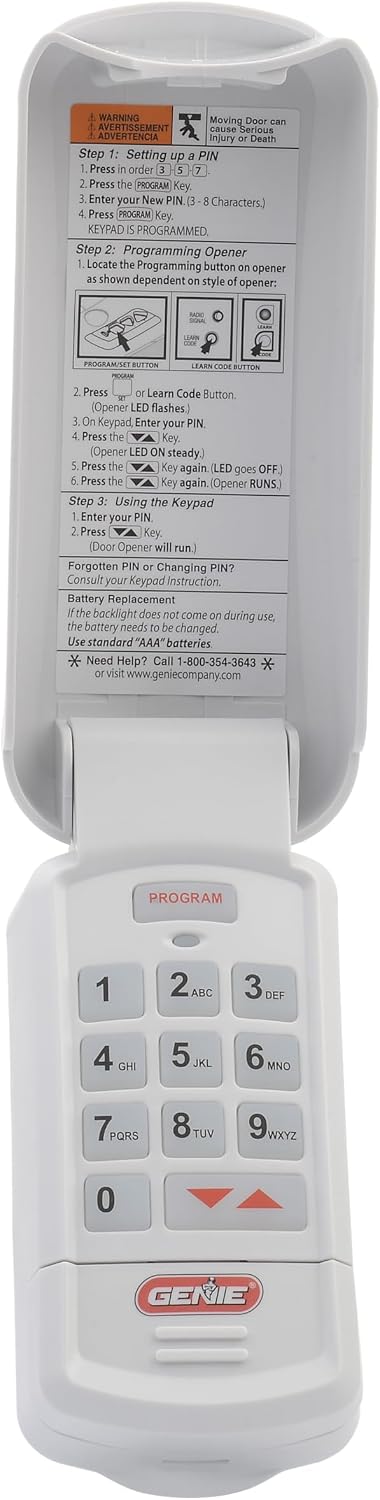
Craftsman CMXZDCG440 Garage Door Wireless Keypad, Gray
No remote to lose, no remote to leave in a hot visor
Membrane keys and cold mornings are not a great pair
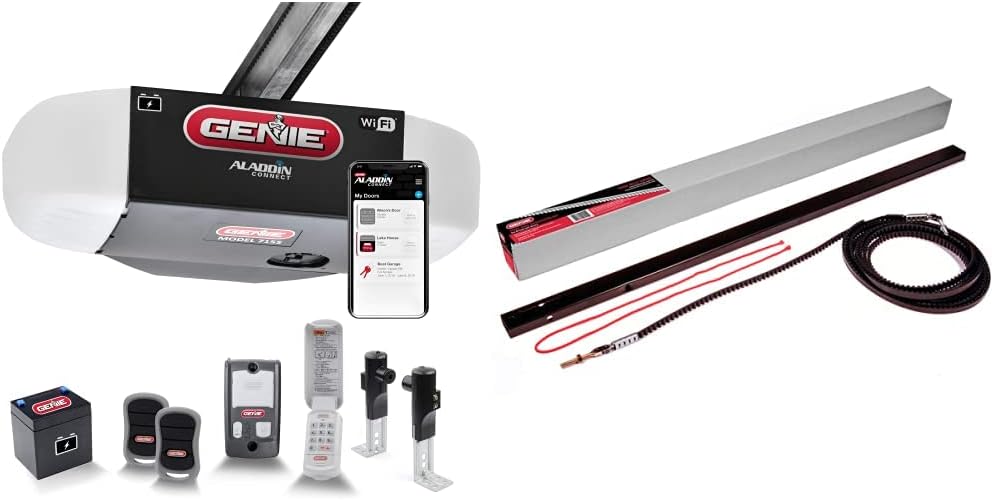
Genie StealthDrive Connect Model 7155-TKV Smartphone-Controlled Ultra-Quiet Strong Belt Drive Garage Door Opener & Garage Door Opener Extension Kit for 5-Piece Belt-Drive Tube Rails, Metallic
Belt drive, smartphone control, and the rail extension kit included
It is the whole job, not a part, so the money and the labor both land at once
Prices and availability were captured from Amazon Creators API and may change.
How I judge this gear
I do not start with the motor. I start with the door. Before I recommend anything, I push the door up by hand to the halfway point and let go. If it drifts down or slams shut, the springs are wrong or the track is bound, and no opener on earth fixes that. An opener is only as good as the door it lifts, and I have watched a $300 unit strip its own gears in a year because nobody balanced the door first.
After the door, I look at four things: the rail, the drive (belt or chain), the safety reverse, and the photo-eye. Travel limits come after that. Almost every service call I run comes down to one of those five, and none of them are about the horsepower number printed on the box.
Smart features are 10% of the product and 90% of the support calls. I have reset more Wi-Fi modules than motors, and I will say that up front so you can weigh the app capability accordingly.
The remotes: what a two-pack actually buys you
The two remote listings here look similar and are not the same purchase.
The 2 for Chamberlain Liftmaster Craftsman Garage Door Opener Remote 893LM 893Max two-pack is the direct-fit option. If your ceiling unit is a Chamberlain, a LiftMaster, or a Craftsman, this is the shape and the family of remote those openers were built around, which means less guessing at the learn button and less chance of a return. Two remotes means one for each car and no more spouse-versus-keypad arguments about who has the clicker. In my experience, the biggest reason remotes "stop working" is that they went through a summer in a visor, not that the opener failed. Having a second one in the house solves that permanently.
Visit the Chamberlain LiftMaster Craftsman 893LM 893Max two-pack on Amazon
The 2X for LiftMaster Chamberlain Craftsman Universal Garage Door Opener Remote is the flexible pick. It is sold as a universal remote across those three brands, so it is the one to reach for when you moved into a house and genuinely do not know what is bolted to the ceiling. Two of them, same logic: one per vehicle.
Visit the LiftMaster Chamberlain Craftsman universal two-pack on Amazon
Here is the honest limitation. "Universal" is a marketing word with a border around it. Older openers, and openers built around different radio systems, are where universal remotes run out of road. Before you order either of these, kneel on a ladder and look at the opener head. Find the learn button. Note the color if there is one, and note the model number on the label. That single trip up the ladder is the difference between a five-minute programming job and a return.
The keypad: the part nobody thinks to buy
The Craftsman CMXZDCG440 Garage Door Wireless Keypad in gray is the best $30-ish decision in this whole article for a family with kids or a dog walker or a cleaner. You mount it outside, you give it a code, and the remote stays in the car where it belongs. No more hiding a clicker under the recycling bin or in a fake rock that fools nobody.
Visit the Craftsman CMXZDCG440 wireless keypad on Amazon
Two things I tell every homeowner who installs one. First, mount it at about the height of your sternum, not at the height your arm naturally reaches when you are standing straight. You want to be able to punch a code while you are holding a toddler or a bag of groceries. Second, the keypad is a battery device with a membrane pad, and Tulsa ice storms are not kind to membrane pads. Plan on the keys getting stiff in a hard freeze, and plan on replacing a battery now and then.
The keypad's real advantage is that it removes the most common emergency call I get: someone locked out of the house because every remote in the family is inside.
The belt drive: where the real money goes
The Genie StealthDrive Connect Model 7155-TKV is the outlier on this list, because it is not an accessory. It is the whole opener: a belt drive unit with smartphone control, sold with an extension kit for five-piece belt-drive tube rails in the box.
Visit the Genie StealthDrive Connect 7155-TKV belt drive opener on Amazon
Belt drive is the recommendation I give to anyone with a bedroom above the garage, and I give it without hedging. The belt is quieter than a chain, it does not need the same oiling attention, and in my experience it lasts at least as long. The old argument for chain was price, and that gap has mostly closed. If your garage shares a wall or a ceiling with where people sleep, the belt is worth every dollar of the difference.
The smartphone control is the part I have mixed feelings about, and it is worth being blunt. Remote access to your garage door is genuinely useful when you are not home and a delivery or a neighbor needs in. It is also another radio module that can lose its pairing, another app that wants a login, and another thing to troubleshoot at 9 p.m. on a Sunday. My rule: set the opener up so it works from the wall button and the remotes first, then add the app. If the app never works right, you still have a functioning door.
The extension kit in the box matters more than it sounds. Rail extensions are the kind of part you discover you need halfway through an install, when the old rail configuration does not match the new head and the hardware store is closed. Having it included means one fewer trip.
The trade-offs I would actually weigh
If your opener runs, buy the remotes and stop reading. The two-packs cost less than a service call, and a fresh set of remotes plus a keypad fixes most of what people describe as "my opener is dying." It usually is not the opener. It is a remote that baked in a visor or a keypad nobody reprogrammed after a battery change.
If your opener is grinding, hesitating, or forgetting its travel limits after every power outage, do not buy accessories. That behavior means the logic board or the gears are going, and no remote fixes it. That is when the Genie belt drive becomes the answer, and I would rather you spend once on a unit with a good drive system than twice on parts for a dying one.
If you are in tornado country, think about battery backup before you buy anything. When the power goes out, your car is the emergency exit, and an opener that cannot lift the door in an outage is a door you are opening by hand in the dark. Check whether the specific unit you are ordering carries battery backup, because that is the one feature I would pay extra for and the one most people forget to look for.
Prices on all of this move constantly, which is why the table above says Check current Amazon price instead of a number I would have to correct next month. The Genie in particular swings with seasonal sales.
Install day, and the trap most people hit
The DIY install is doable. I will not pretend otherwise. But I have been called to fix roughly 80% of the homeowner installs I have seen, and the failure is almost never the wiring. It is the rail.
The rail has to be straight, and the head has to be centered over the door, and the travel limits have to be set with the door connected and the safety reverse actually tested. That last one is the step people skip. You put a 2x4 flat on the floor in the door's path and the door should reverse off it. If it does not, you are not done, no matter how nicely it runs otherwise.
The photo-eye is the other one. If the eyes are not aligned and solid, the door will behave like it has a mind of its own, closing and immediately reopening for no visible reason. A lot of people replace a perfectly good opener over a photo-eye that got bumped and needs a two-minute alignment.
And the prerequisite I will repeat until I am hoarse: balance the door first. Disconnect the opener, lift the door halfway, let go. A balanced door stays put. An unbalanced door is the thing that eats gears, and it is the reason a cheap opener dies in three years while the same model on a tuned door runs for fifteen.
Should you buy the accessories first?
Yes, in most cases. If you are unsure whether your opener is actually failing, spend the small money first. A two-pack of remotes and a keypad will tell you a lot about the health of the unit for very little, and if the door still misbehaves, you have diagnosed the real problem with money you would have spent anyway on a backup set.
The one exception is the homeowner with a bedroom above the garage and an opener that is loud enough to wake the house at 6 a.m. That person is not buying accessories. They are buying a belt drive, and the Genie StealthDrive Connect is the one I would hand them.
What I am watching next
I have two things on the bench right now. The first is whether the current generation of battery backup openers actually survives a Tulsa summer in a garage that hits 130 degrees in July. Batteries cook in that heat, and I have a dated list going on which ones hold their capacity through a full season. The second is local control, meaning smart openers that can open the door without reaching for a cloud server. I think that is where the privacy-minded buyer goes next, and I will report back when I have enough failures and successes logged to say something useful.
Until then, the drawer stays labeled, and the advice stays the same: balance the door, then buy the remote, the keypad, or the belt drive that matches what your garage actually needs.