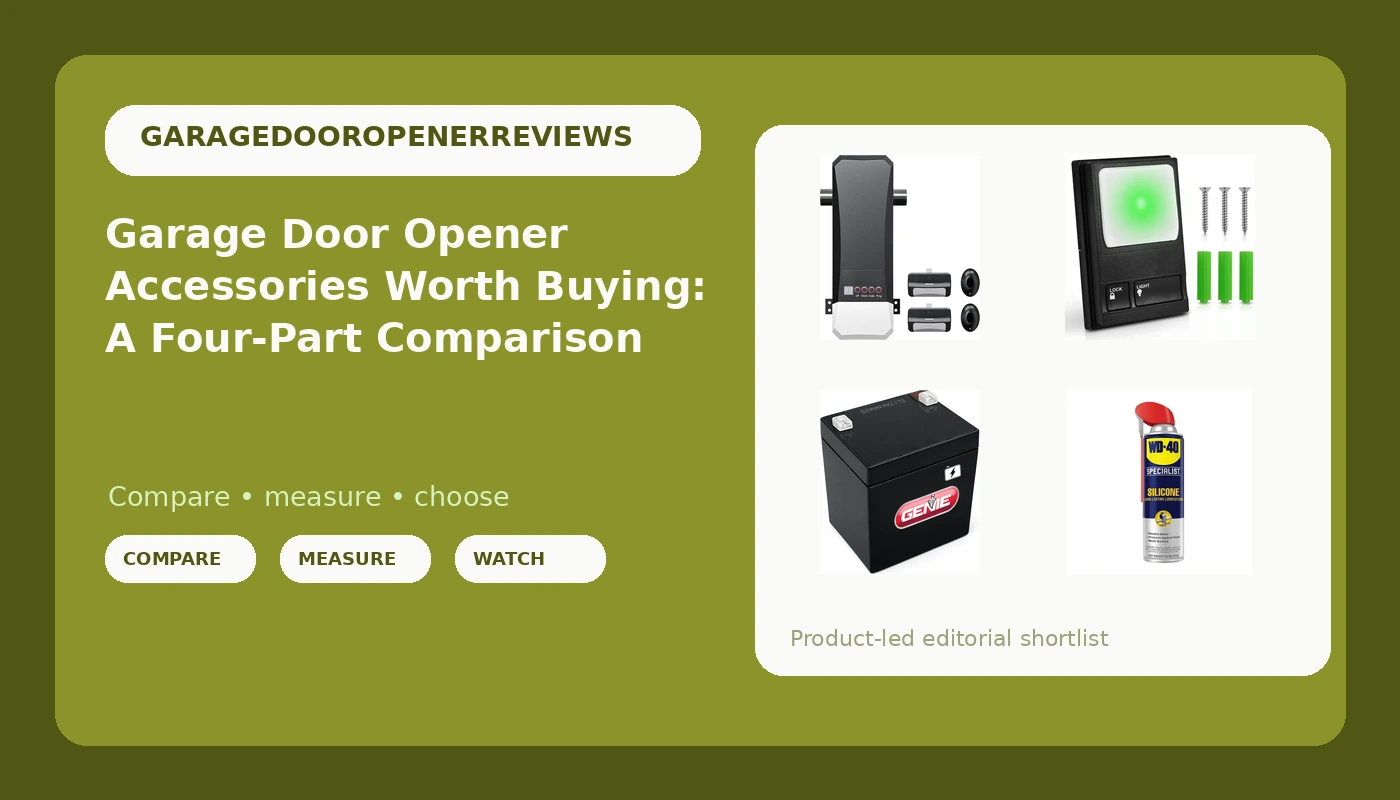
I have replaced more than 200 garage door openers in and around Tulsa, and I keep a drawer of the parts that came out of them: stripped nylon gears, a chain that snapped in a January cold snap, photo-eyes that went blind every afternoon when the sun hit the west wall. That drawer taught me more about garage door opener accessories than any product page, because it shows you what actually wears out and what just gets sold. This comparison covers four pieces of one working garage: an opener, a wall control panel, a backup battery, and a can of silicone lubricant. Three of them are support parts. One of them does the lifting.
Related: Belt Drive Vs Chain Drive Garage Door Openers
The short answer: if the door does not move, your money goes to the opener, and the ZUMI wall-mounted unit is the one in this group that changes how the garage works every day. If the door moves fine and something small is wrong, one of the other three is the fix. Buying a whole new opener to solve a dead wall button is how people end up hundreds of dollars deep in a problem that should have cost pocket change.
I have not had these four on a bench together, so I am not going to hand you decibel numbers or torque figures I did not take. What follows is what the listings, the part numbers, and twelve years of teardowns tell a person who has to make this work in a real garage, in real heat, with a real car parked under it.
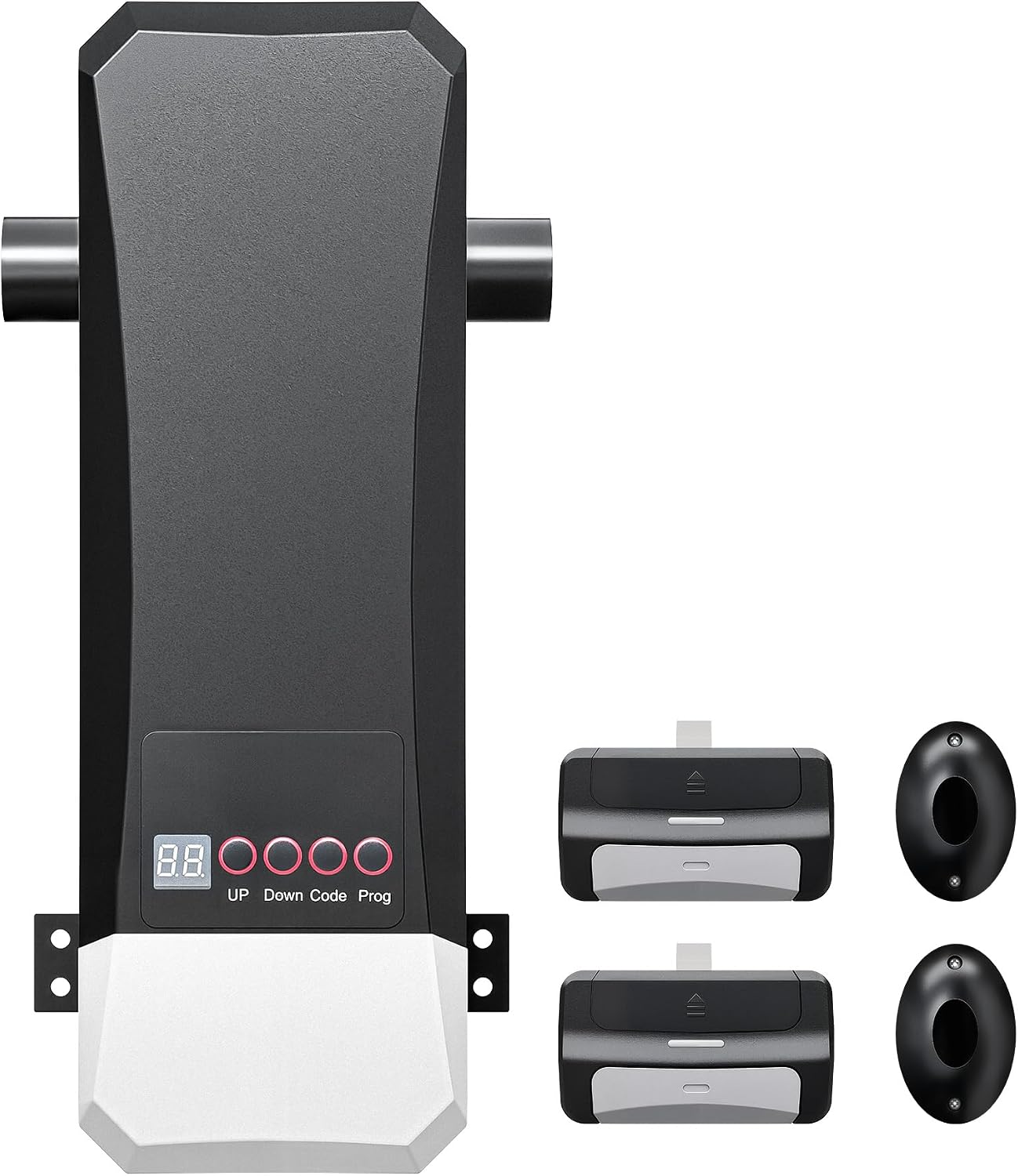
ZUMI Automatic Garage Door Opener, Wall-Mounted with Manual Backup and Infrared Sensors
Wall mount frees the whole ceiling, manual backup and infrared safety sensors are included rather than sold separately, smart control built in
Wall-mount install is fussier than a ceiling rail unit and the door has to be balanced first
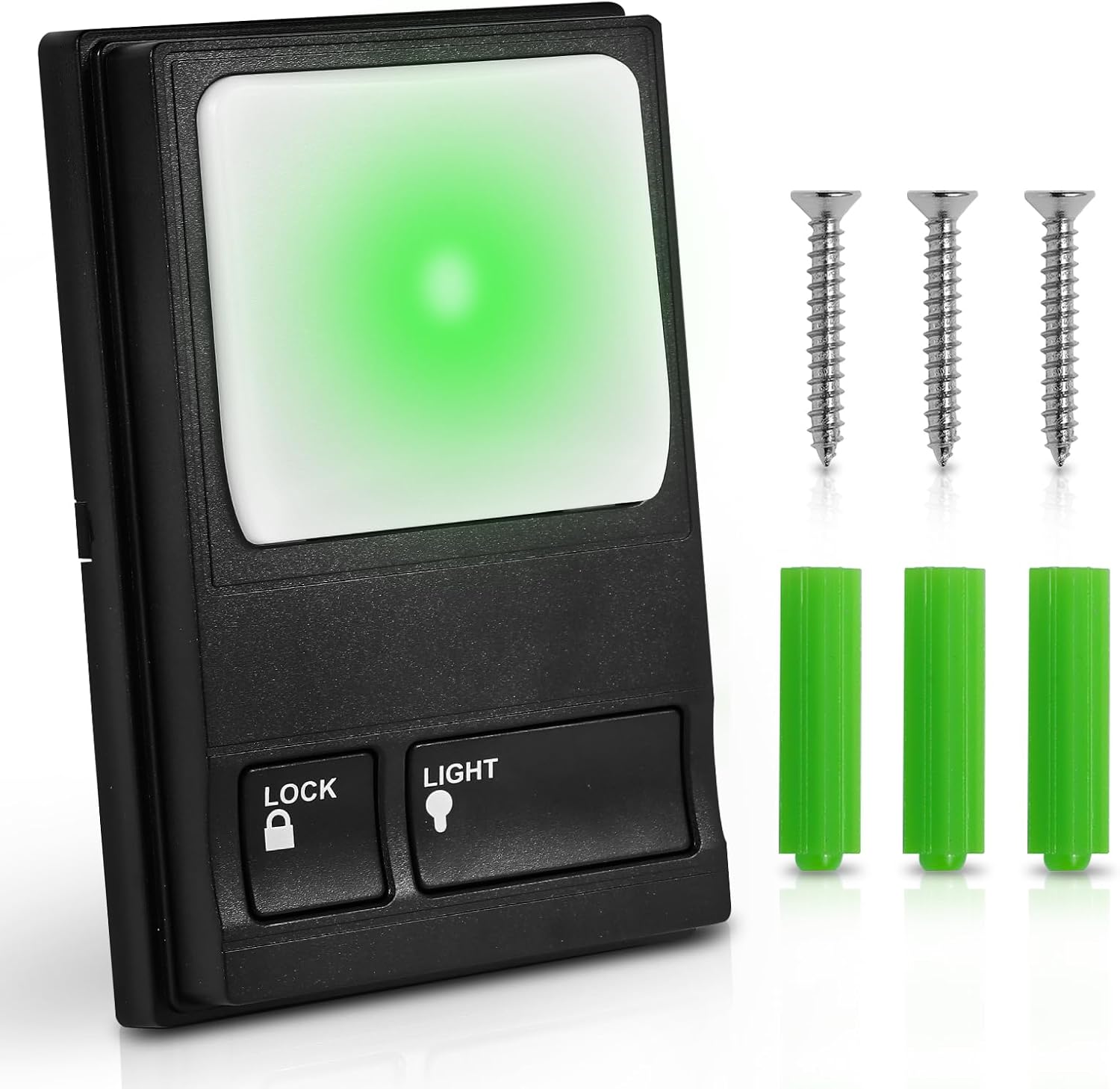
Garage Door Opener Wall Mount Control Panel, Compatible for LiftMaster Chamberlain Craftsman 41A5273-1 78LM
Cheapest fix for a dead or beeping wall station, wired so no pairing, light and lock buttons included
Compatibility is model specific, and it only works on the brands it names
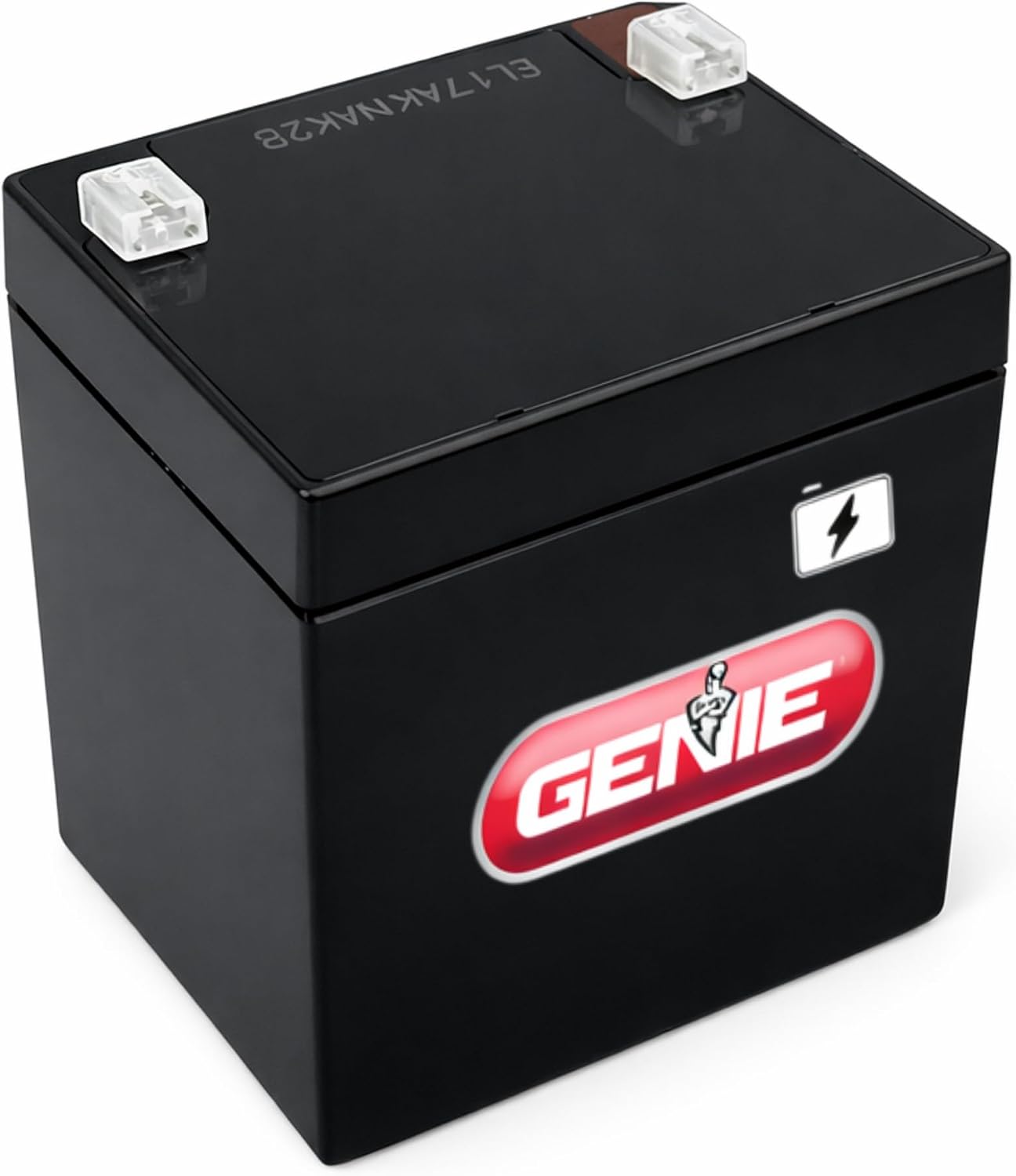
Genie 12V Replacement Garage Door Opener Battery Backup, 111658.0002.S
Restores backup power on a Genie that already has the tray, and it is a wear item, not a repair
It is a replacement battery, not a kit, so it does nothing for an opener without the backup hardware
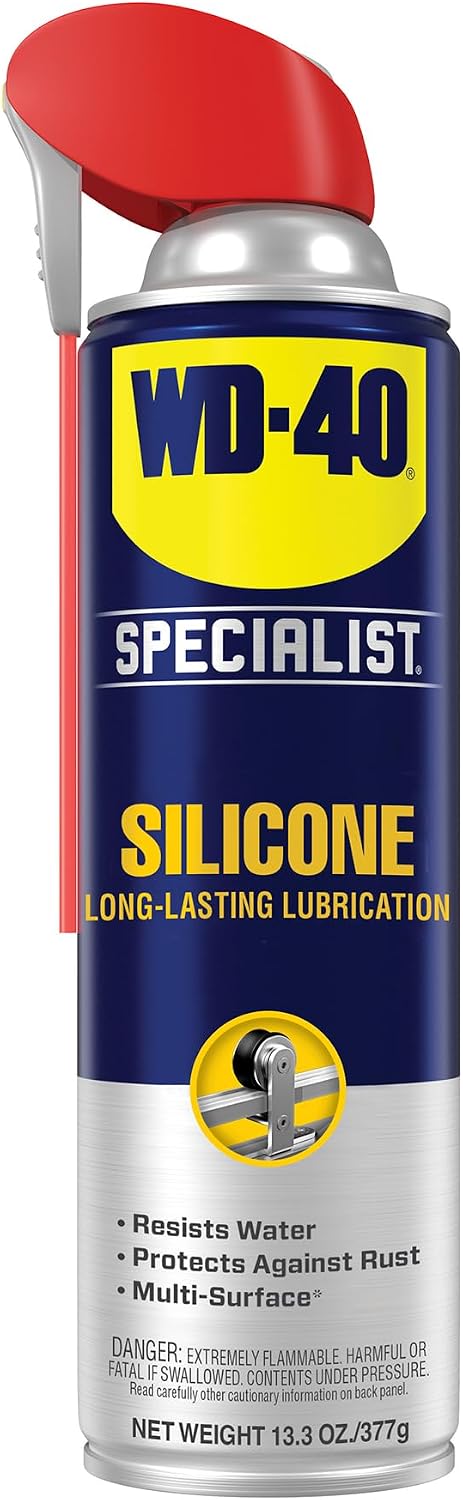
WD-40 Specialist Silicone Lubricant, New Bigger Can, 13.3 OZ
Silicone dries without collecting grit, which is what rollers and hinges need
It is not a cure for a binding door, and it does nothing for a stripped gear
Prices and availability were captured from Amazon Creators API and may change.
How I judge garage door gear
The motor is the least important part of any opener, and that is not a joke. The rail, the drive, and the door balance decide whether the thing in your ceiling lasts five years or fifteen. So before I look at a single feature, I ask three questions.
First, what drive does it use, and does that match the room above the garage? If there is a bedroom over the garage, belt or wall mount, every time. If the garage is detached and nobody sleeps near it, chain is fine and cheaper.
Second, what happens when the power goes out? In tornado country that is not a hypothetical. Your car is the emergency exit, and an opener with no backup turns your garage into a room with no door.
Third, what is the door doing? A door that is out of balance will kill a good opener and it will not be the opener's fault. I balance the door before I judge any machine that lifts it. If the door will not stay put when you let it go halfway up, stop reading and fix that first.
Everything below assumes the door is balanced, the rollers turn, and the springs are healthy. Spring work is a call a professional job. That is the one line in this trade I do not cross.
The opener: a wall-mounted unit that clears the ceiling
The ZUMI automatic garage door opener is the one product here that actually opens the door. It mounts on the wall beside the torsion bar rather than hanging from the ceiling on a rail, and if you have ever tried to store a ladder or a canoe in a garage with a ceiling unit, you already know why that matters. No rail across the ceiling means the space above the car comes back to you.
The interesting parts of the listing are the two safety and convenience items that are usually sold as extras. Manual backup means you can still run the door when the power is out, and infrared sensors mean the photo-eye safety reverse hardware is in the box. I have written off more openers than I care to count because the photo-eyes were an afterthought, mounted crooked, and needed realignment every time someone bumped the bracket.
The smart side is built in. That is where my opinion splits. I like being able to check whether the door is open from the kitchen. I do not like cloud logins for a door I am standing next to, and I have reset more Wi-Fi modules than motors over the last few years. If the app cannot open the door on local control, the smart feature is a convenience, not a reason to buy.
The honest trade-off is installation. A wall mount needs the torsion bar, the proper brackets, and a door that is genuinely balanced, because there is no rail to hide a door that is fighting itself. If you are handy, this is a weekend afternoon. If you are not, budget for an installer, and make sure whoever you hire checks the door balance before they touch the opener. That is the failure I see most: a new opener bolted to a door that was never right.
The wall control panel: the cheapest fix in the garage
Nothing in this group solves a smaller problem more completely than this wall mount control panel. It is a wired replacement station built to fit LiftMaster, Chamberlain, and Craftsman openers that use the 41A5273-1 and 78LM style panels, with light control, a lock button, and the multifunction buttons in one plate.
Here is why I keep one on the shelf. When a wall station goes bad, the symptom is rarely "the door will not open." It is usually the panel beeping in the middle of the night, a light button that stopped working, or a lock button that is stuck in vacation mode so the remotes do nothing and the owner thinks the opener is dead. I have been called out for that exact thing. The opener was fine. The wall panel was the whole problem.
Two cautions. This is a wired, model-specific part, so check the model number on your opener and on your old panel before you order. The connector styles changed across production years, and "compatible with" is doing real work in that listing title. Second, the lock and light functions only do what your opener's logic board supports. On an older unit, some of those buttons may be decorative.
What it is not: a smart panel, a Wi-Fi bridge, or a universal remote. It is a switch plate with a circuit board, and it does its one job without a cloud account. That is a feature in my book.
The battery backup: a wear item, not an upgrade
The Genie 12V replacement battery backup is a replacement battery for Genie openers that already have the backup tray and charging circuit. Read that carefully, because it is the single most common misunderstanding I run into. This part does not add backup power to an opener that never had it. It restores backup power to one that did, and whose battery has finally given up.
In Tulsa, this matters more than it does in most of the country. When the power drops after a storm, the garage door is how you leave. A dead backup battery turns a working opener into a manual door, and a manual door with a car inside it and no power is a bad afternoon.
The part I want you to hear: batteries in a garage are a wear item. A garage ceiling in an Oklahoma summer gets hot enough to cook a battery long before its calendar life is up, and I have pulled packs that were swollen and useless well before anyone expected them to fail. So check it every spring, and treat the replacement as routine maintenance, the same way you treat a furnace filter. Confirm your opener model takes this battery before ordering, because the tray designs differ across the lineup.
The lubricant: silicone, and nothing else
WD-40 Specialist Silicone Lubricant is the only thing in this comparison that I use on every single door I touch. Silicone sprays on wet and dries to a film that does not hold grit, which is the whole argument. White lithium and grease feel better going on and then collect dust, and a roller packed with grit is louder than a dry one.
Where it goes: the rollers, the hinges, the bearing plates, and a light pass on the torsion springs. Where it does not go: anywhere near a belt. If you have a belt drive, the belt runs dry, and lubricating it is a mistake people make once. On a chain drive, a light coat is acceptable, and no more than that, because a chain dripping with lube slings it across the ceiling and down the wall.
One rant while I have the can in my hand. Plain WD-40 is a water displacer, not a lubricant. I have watched people spray it on a squealing hinge every month for a year and then act surprised when the hinge is worn out. It cleans, it displaces moisture, and then it dries and leaves you worse off. Use the silicone, and use it twice a year, in spring and before the cold.
And a safety note: do not hose down the photo-eyes or the opener's logic board. A mist on the moving parts, a rag on the lens, and you are done.
The order I would buy them in
If the door is dead, buy the opener. Nothing else on this list gets a car out of a garage.
If the door moves and something small is wrong, diagnose before you spend. Grinding and squealing is lubrication and balance, so start with the silicone and check the door by hand. A dead or beeping wall station is the control panel. A Genie that no longer opens during an outage is the battery, assuming it has the tray.
If you are building the whole setup at once, my order is opener, then lubricant, then battery, then panel. The lubricant protects the investment you just made. The battery protects your exit. The panel is the cheapest and most optional piece, and it is also the one most likely to be the actual problem when someone swears their opener is broken.
Where this setup lets you down
Three things, and they are the same three I complain about every year. Apps that require a cloud login to open a door you are standing in front of. Travel limits that forget themselves after a power outage, which is the reason I tell people to test the safety reverse every month. And "heavy duty" openers with plastic gears inside, which is a marketing phrase, not a material spec.
Also, the panel and the battery are both model specific. I would rather you spend five minutes with a flashlight reading the label on your opener than a week waiting on a part that does not fit.
What I am watching next
Battery packs in hot garages, mostly. I want to know whether the newer packs survive a Tulsa summer better than the lead acid units I have been pulling out for a decade, and I keep a dated list of every one that fails. My standing prediction has not changed: belt drive keeps taking ground from chain as the price gap closes, and local control openers that work without a cloud account will win back the buyers who care about privacy. The manufacturers that figure out local control first will get the next ten years of this market.