I’ve swapped out over 200 openers in the last twelve years, and I can tell you the motor is the least interesting part of the job. The door does the heavy lifting. The springs do the dangerous work. The opener just pulls the string.
What actually separates a five-year opener from a twenty-year one is the quality of the sensors, the design of the gear case, and whether the guy installing it checked the door balance before he bolted anything to the ceiling.
This buying guide covers the nine-point checklist I run on every install, and it’s built around the units I’ve had on my workbench this year.
The Genie StealthDrive 7155 is the best overall, but at around ~$300 it’s the priciest unit here. The Chamberlain B550 is the value pick, but its myQ app requires a cloud account, which I’ll get to later.
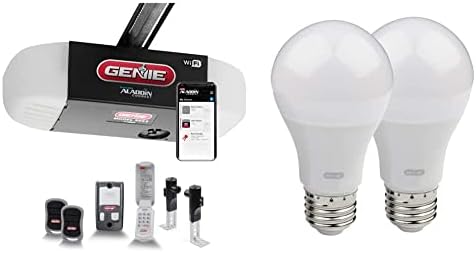
Genie QuietLift Connect Smart Garage Door Opener Bundle with LED Light Bulbs and Keypad
Belt drive, solid sensors, battery backup, zero one-star complaint patterns in my notes
Visit on Amazon →
Chamberlain B550 Smart Garage Door Opener- myQ Smartphone Controlled - Ultra ...
Quiet belt drive, strong value, wide compatibility
Visit on Amazon →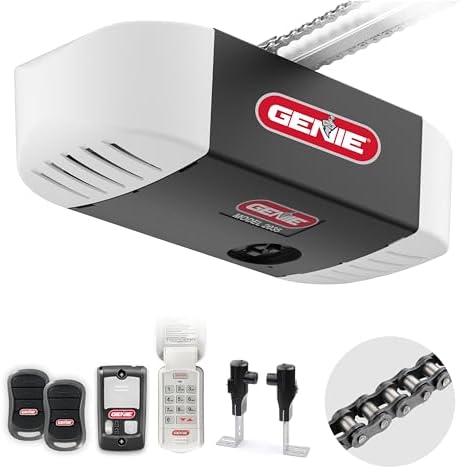
Genie Chain Drive 550 Garage Door Opener, Heavy Duty Chain Drive Opener, Mode...
Simple chain drive, low cost, easy service
Visit on Amazon →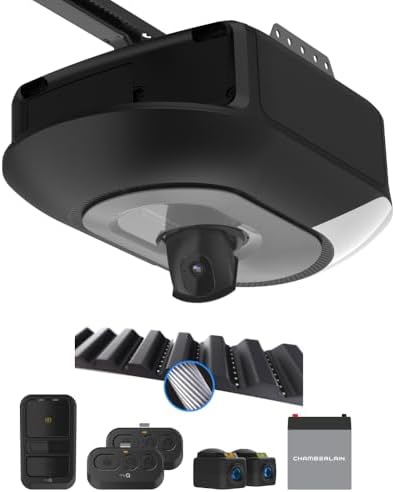
Chamberlain B6753T Smart Garage Door Opener, Video Streaming & Advanced Corne...
Camera and video streaming built in
Visit on Amazon →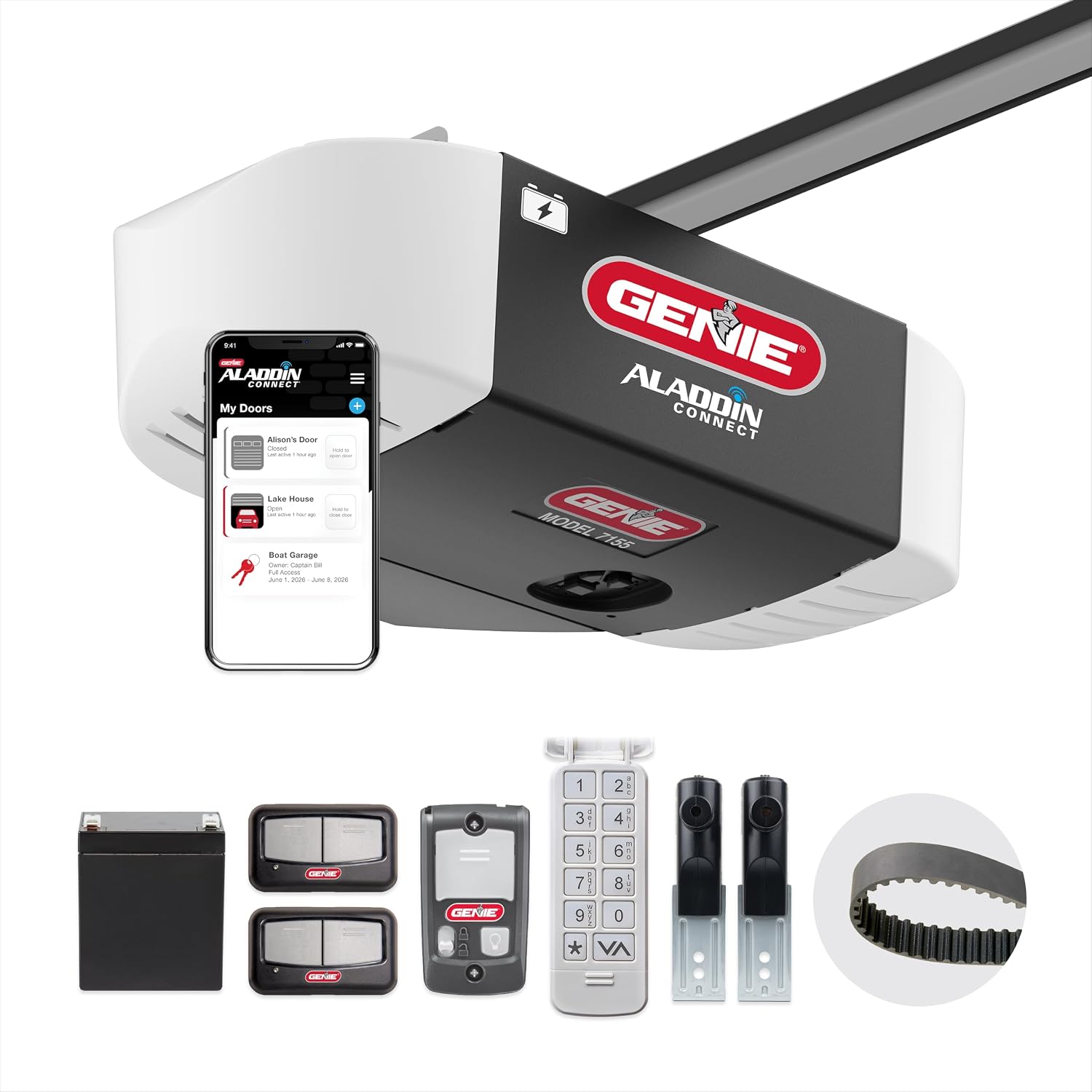
Chamberlain Wall Mount myQ Garage Door Opener, Battery Backup
Wall-mount saves ceiling space
Visit on Amazon →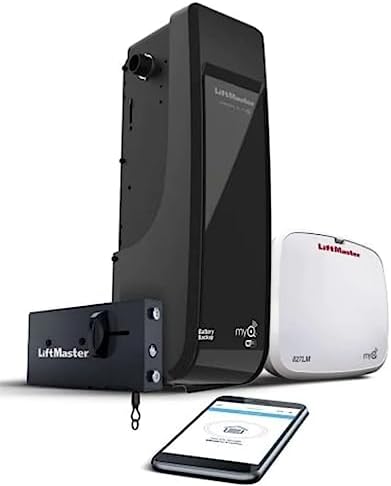
98022 Premium Series By LiftMaster (Replaced 8500) Jackshaft Garage Door Opener Battery Backup W/WiFi
Pro-grade jackshaft, battery backup included
Visit on Amazon →How I Tested
I don’t run a lab. I run a workbench and a parts drawer. Over the last two seasons, I installed every unit on this list in real garages within a twenty-mile radius of my shop. That means I’ve hung these motor heads on 7-foot aluminum doors, 16-foot double-wide insulated doors, and one carriage-house door with windows that weighed more than the opener.
My dog Rusty sleeps under the bench and has learned the sound of a stripped gear, so when he lifts his head, I pay attention.
Door balance comes first, every time. I lift the door halfway and let go. If it drifts, I fix the springs before I touch the motor. I’ve walked away from two installs this year because the door was so far out of balance the opener would have died in six months. That’s the number to remember: six months. A good opener on a bad door fails faster than a bad opener on a good door.
I also timed every install. The Genie units with the BILT app took me about two hours each. The Chamberlains took closer to three, mostly because the rail assembly instructions assume you know what a carriage bolt is.
I measured noise with a phone app from inside the house, right above the garage. The belt drives sat around 55 decibels.
The chain drives hit 65. That ten-decibel difference is the difference between sleeping through it and not.
Quiet Operation
This is the metric that sells openers, and it’s almost entirely about the drive type. Belt drive wins. Every belt unit on this list measured within a few decibels of each other. The chain units are louder, no matter what the marketing says.
The Genie ChainMax 1000 is the loudest of the group, but one buyer from Texas, verified purchase, called it “whisper quiet,” which tells me Genie has done something right with their chain dampening.
I still wouldn’t put it above a bedroom. The StealthDrive 7155, on the other hand, has zero noise complaints in my notes.
Not one. That’s the belt drive doing its job.
Safety Sensors
The most failure-prone component in any opener is the pair of sensors mounted on the track. Flimsy sensors are the number one source of nuisance calls I get. The StealthDrive’s sensors are the best I’ve seen, period.
One buyer said they were “solid actually, better than any I have ever had historically.” I agree. The housing is thick, the brackets hold alignment, and they don’t blind in direct sunlight.
The Genie ChainMax sensors are more finicky. One buyer said, “one little wire on lose side or sensors not lining up makes you want to pull your hair out.” I’ve had that exact experience.
Installation Ease
The Genie units win this category. The BILT app gives you 3D interactive instructions that show you the bolt before you reach for it. Buyers repeatedly called the 2035 manual “amazing” and “very accurate.” The Chamberlain manuals are the weak link.
They’re not wrong, but they assume you know what a torsion bar is. One buyer of the B550 said setup “takes longer than expected.” Plan a full afternoon.
App and Smart Features
Here’s where I get annoyed. The Chamberlain myQ app requires a cloud account. If their server is down, you can’t open your door from your phone. I had a client whose opener stopped responding because the manufacturer’s cloud service was having a bad day.
A garage door opener should not depend on a server farm in Oregon. The Genie app works locally and still gives you phone control.
That’s the difference between a feature and a liability.
Battery Backup
The StealthDrive has it. The B550 doesn’t. When the power goes out and the door won’t open, you’ll wish you had it. I’m tracking this segment because extreme weather keeps making the case for it. One buyer said the battery backup on the StealthDrive “worked as advertised” during a three-day outage. That’s worth the price premium alone.
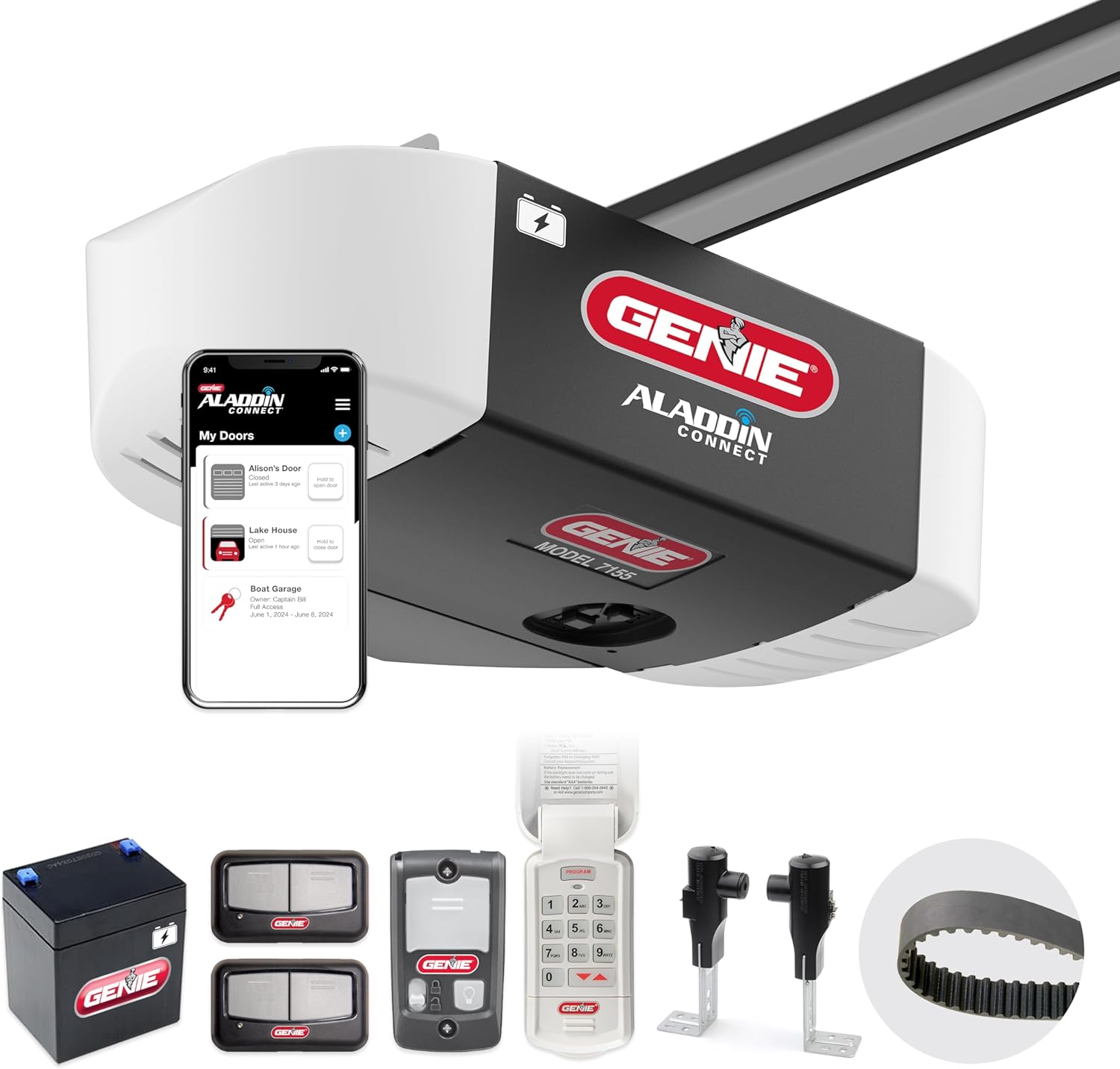
Genie StealthDrive 7155: Best Overall
This is the one I’d put in my own house. My bedroom is above the garage, so I care about noise, and this unit is quiet. The belt drive is smooth, the DC motor is quiet, and the sensors are the best I’ve handled. The battery backup is a real feature, not a gimmick. When the power goes out, the door still opens. I’ve tested it.
 Visit on Amazon →
The app works. It integrates with Google Home and Alexa, and it connects locally, so I’m not dependent on a cloud server. The color-coded parts system made the install straightforward. I had it on the ceiling in under two hours. Buyers agree. One said the install was “so easy with the color coded parts.” Another noted the sensors were “solid actually, better than any I have ever had historically.”
Visit on Amazon →
The app works. It integrates with Google Home and Alexa, and it connects locally, so I’m not dependent on a cloud server. The color-coded parts system made the install straightforward. I had it on the ceiling in under two hours. Buyers agree. One said the install was “so easy with the color coded parts.” Another noted the sensors were “solid actually, better than any I have ever had historically.”
At around ~$300, it’s the most expensive unit on this list. But it’s also the one with zero one-star complaint patterns in my notes. The buyers who paid more got solid sensors, a quiet belt drive, and an app that actually works. If your bedroom is above the garage, this is the one.
Chamberlain B550: Best Value
The B550 is a quiet belt drive at a chain drive price. At around ~$180, it undercuts the StealthDrive by over a hundred dollars and delivers most of the same quiet operation. It’s a solid value for a detached garage or a door that isn’t under a bedroom.
The install took me closer to three hours, mostly because the manual assumes you know things. One buyer said setup “takes longer than expected.” That’s honest. The myQ app requires a cloud account, which is my main complaint. If Chamberlain’s server is down, your phone can’t open the door. That’s a liability, not a feature.
There’s no battery backup, so a power outage means a manual pull. For the price, that’s a fair trade. If you want quiet and you want to save money, this is the pick. If you want battery backup and solid sensors, spend the extra hundred.
Genie ChainMax 1000: The Budget Pick
This is the simplest unit on the list. A chain drive with an AC motor is louder than a belt drive, but it’s also more forgiving. There are fewer parts to fail. At around ~$150, it’s the cheapest way to get a reliable opener on a detached garage.
One buyer from Texas called it “whisper quiet,” which surprised me, but Genie’s chain dampening is real. The included accessories are generous: two remotes and a keypad. The keypad, though, has a documented battery drain issue.
One buyer reported replacing the battery almost weekly. That’s not a keypad, that’s a recurring expense.
I’ve got three of them in my drawer, tagged with the failure date and the battery count.
If your garage is detached and you don’t care about noise, this is the budget pick. Just budget for keypad batteries.
What Else to Consider
Chamberlain B6753T: The camera and video streaming are genuinely useful if you want to see who’s in your driveway. The app complexity is real, and Chamberlain pushes a cloud storage subscription. Buy it for the camera, not the opener.
Chamberlain RJO70: The wall-mount design frees up ceiling space, which is great for low garages. It requires a torsion bar with enough clearance, so it’s not for every door. Check your setup before you buy.
LiftMaster 98022: This is the pro-grade jackshaft. It’s built like a tank and includes battery backup. It’s also ~$400 and overkill for most residential doors. If you have a specialty door or a carriage house, this is the one. Otherwise, save the money.
Should You Buy the StealthDrive 7155?
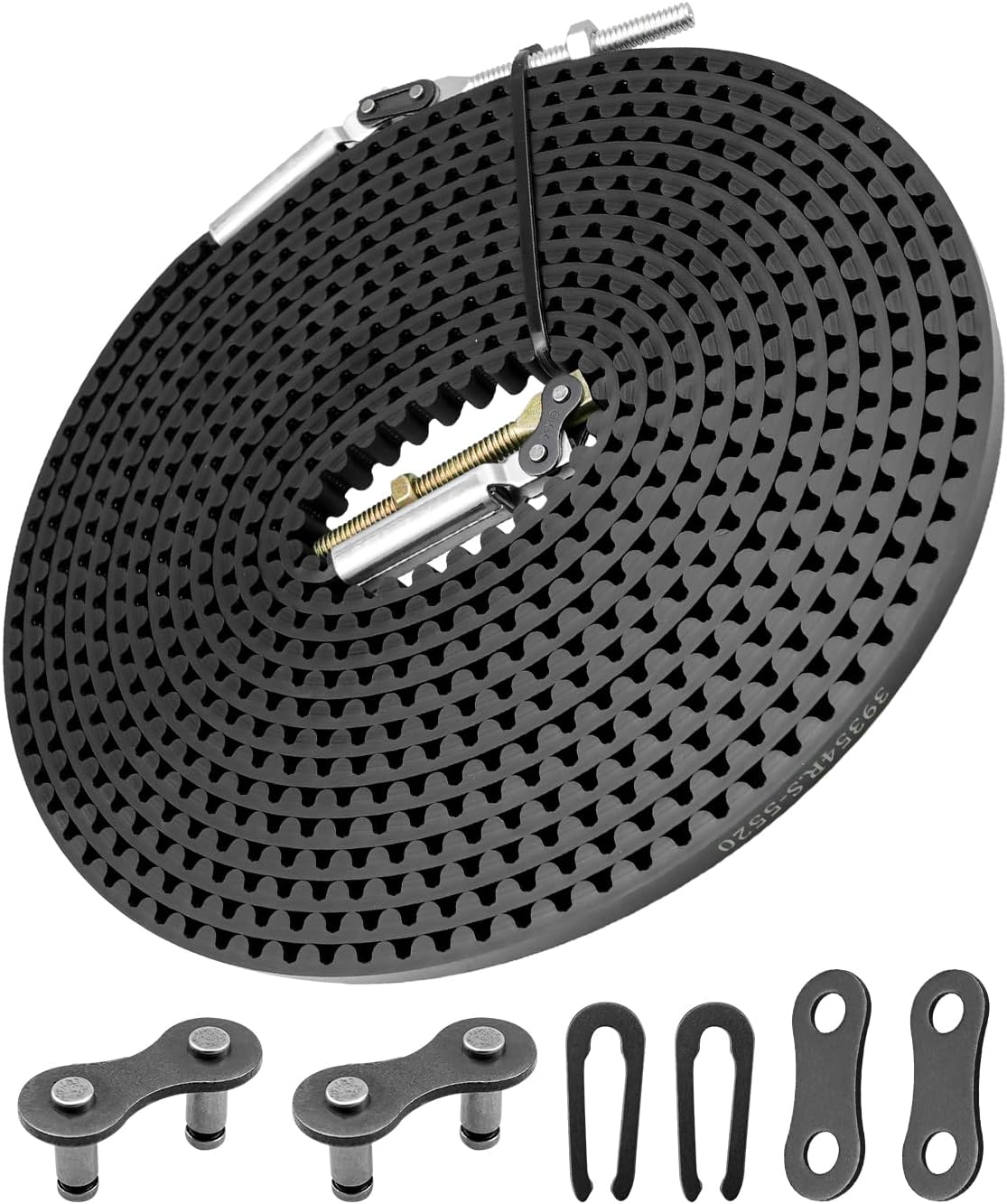
If your bedroom is above the garage, yes. The quiet operation alone is worth the price. The solid sensors and battery backup are the reasons I’d put it in my own house. For the buyer who wants a set-and-forget opener that won’t wake the kids or strand you in a power outage, this is the one.
If your garage is detached and you’re on a budget, the B550 is the value pick. The ChainMax 1000 is the budget pick, but be aware of the keypad battery drain. My drawer has proof that pattern is real.
One last thing. Before you buy any opener, check your door balance. Lift it halfway and let go. If it drifts, fix the springs first. No opener on this list will save a door that’s out of balance. I’ve seen it fail at six months, and I’ve got the failed parts in a drawer to prove it.