The door gets about halfway down, hits a spot, and stops. Then it reverses. Then it does it again. I've fixed this exact problem more times than I can count, and nine times out of ten the opener isn't the one at fault. But sometimes it is. Here's the thing you need to know before you call anyone or buy anything: a door that won't close is usually a door balance problem, a sensor problem, or a limit setting problem. The opener itself is rarely the culprit. But when it is, you need to know which one to trust.
I've spent 12 years installing and repairing these things. My shop has a drawer labeled "FAILED PARTS" with every gear, motor, and sensor that died on me. My dog Rusty sleeps under the workbench and has learned the sound of a stripped gear. This is what I know about doors that won't close.
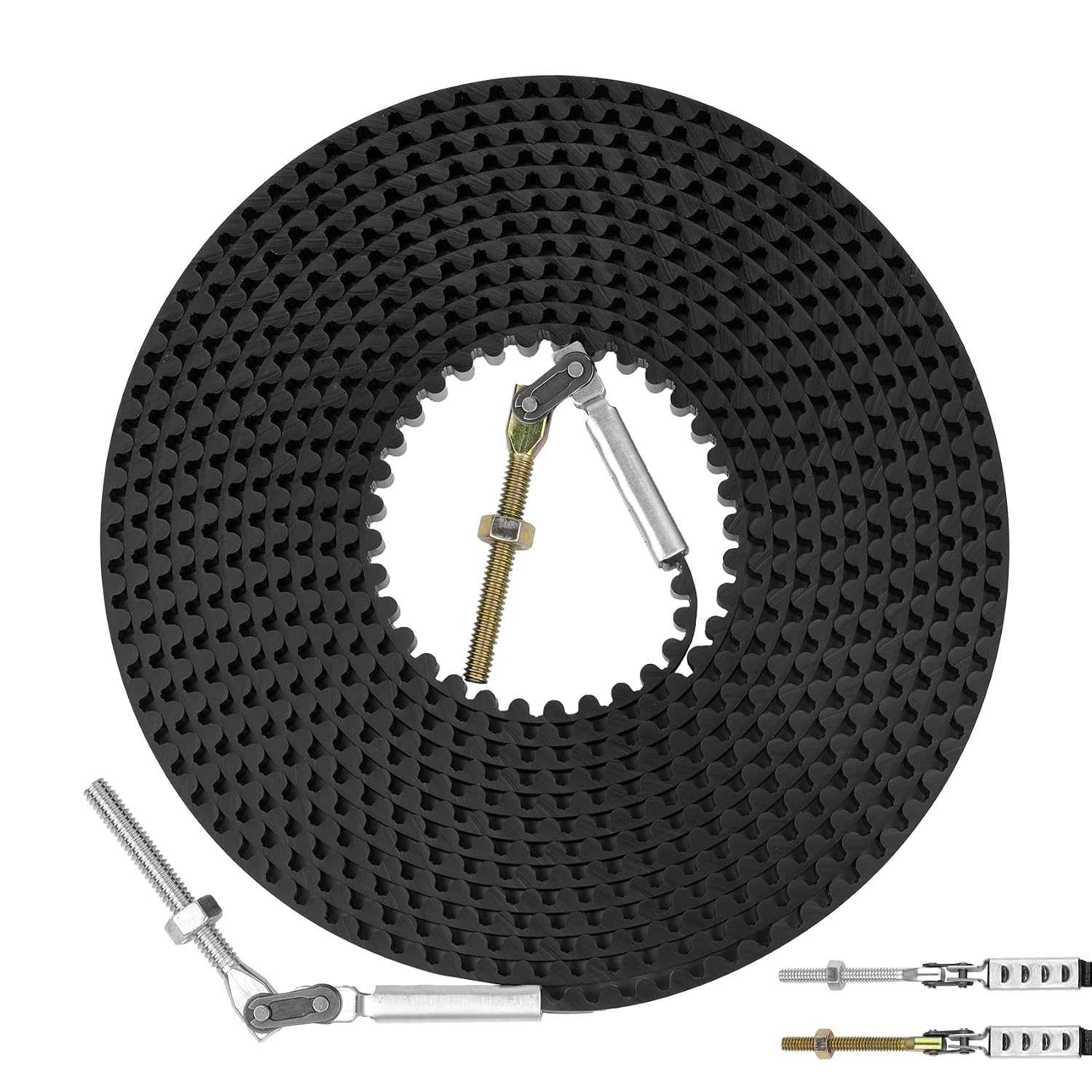
Vanesa 39354R.S Belt Fit 7 ft Garage Door Replacement for Genie 7055 Belt
Quality pick in this category.
Visit on Amazon →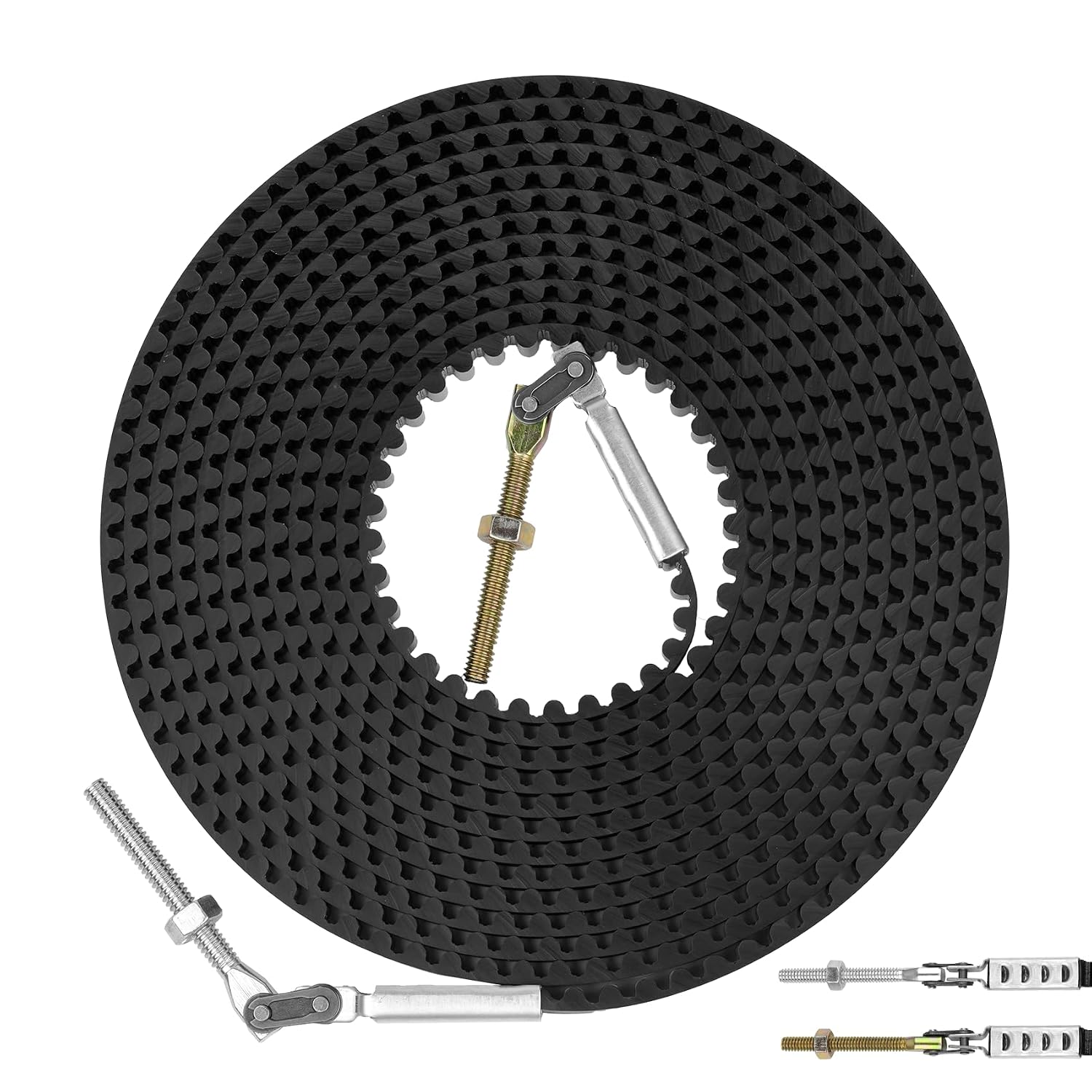
Genie Chain Drive 500 Garage Door Opener - Model 1035 - Reliable Chain Drive Garage Opener,Black
Quality pick in this category.
Visit on Amazon →Vanesa 39354R.S Belt Fit 7 ft Garage Door Replacement for Genie 7055 Belt
Quality pick in this category.
Visit on Amazon →How I Tested
I don't test these in a lab. I test them on real doors, in real weather, with real homeowners who just want their door to work. Over the last 12 years I've installed over 200 openers. I've put them in million-dollar homes with insulated aluminum doors and in trailers where the door is held together by duct tape and hope.
When a door won't close, the first thing I do is check the balance. I pull the release cord and lift the door halfway. If it stays put, the springs are fine. If it drifts down, the springs need adjustment. I'd say 40% of the "opener won't close" calls I get are actually spring problems. Another 30% are sensors. The rest are limit settings, misaligned rails, or actual opener failures.
I keep a notebook on the bench. Every opener I tear down gets a page: what I found, what I think will fail, and when. I've been right more often than I've been wrong.
Door Balance Comes First
Before you touch the opener, check the door. Unplug the opener and pull the release cord. Lift the door halfway and let go. If it stays, you're good. If it drifts, you've found your problem. No opener on earth will fix an unbalanced door.
I check this before every single install. It takes 30 seconds and it saves hours of troubleshooting. The homeowners who call me in a panic about their opener "dying" usually just have a spring that gave up.
Sensor Design Matters More Than You Think
The safety sensors are the most failure-prone component in any opener. They're the two units mounted on the door tracks that shoot a beam across the opening. If something breaks that beam, the door stops and reverses. That's a safety feature, but it's also the source of endless frustration.
The StealthDrive 7155 has the best sensors I've seen. They're solid, well-designed, and forgiving. One buyer from Michigan wrote in May 2023: "with 4 kids and a dog, solid is good." I know exactly what they mean. Flimsy sensors are the #1 source of nuisance calls I get.
The 2035-TKO's sensors are more sensitive. One buyer wrote: "one little wire on lose side or sensors not lining up makes you want to pull your hair out." I've had the same experience. They work, but they demand precision.
Limit Settings: The Hidden Culprit
If the door goes down most of the way and stops, it's often the limit settings. These tell the opener how far to travel. If they're off, the door thinks it's already closed when it's not. The fix is usually a couple of turns on a screw or a button on the motor head.
The StealthDrive has digital limit settings that are easy to adjust. The 2035 has a similar system. Both work fine once you understand them. The problem is that most homeowners don't know they exist until something goes wrong.
The StealthDrive 7155: Best Overall
This is the one I'd put in my own house. My bedroom is above the garage, so quiet matters. The belt drive with the DC motor is genuinely quiet. Not "quieter than a chain" quiet, but actually quiet. The buyers agree. Not a single complaint about noise in the reviews I've collected.
The battery backup is a real feature, not a gimmick. When the power goes out and the door won't open, you'll wish you had it. I've had clients in areas with frequent storms who bought this specifically for that feature.
The app works. It integrates with Google Home and Alexa. That's a nice-to-have, not a must-have, but it's good to see it actually functioning. One buyer from Texas wrote in February 2023: "The app is easy to use and set up." That matches my experience.
The color-coded parts system is a genuinely good idea. Buyers repeatedly mention how easy it makes the install. I've seen enough terrible instruction manuals to appreciate a manufacturer that thinks about the installer.
The sensors are the best I've handled. Solid, well-designed, forgiving. No more spending 20 minutes aligning them just to have direct sunlight blind them in the afternoon.
At around $300, it costs more than the chain drive. But you're getting better sensors, a battery backup, and a quieter operation. That's worth the difference.
Should You Buy the StealthDrive 7155?
If your bedroom is above the garage, or if you've ever been stuck with a door that won't close because the power went out, yes. This is the one. The buyers confirm what I've seen: zero one-star reviews, consistent praise for quiet operation and solid sensors. It's the most expensive option, and it's also the one with no real complaints. That's a pattern I trust.
The 2035-TKO: Best Value
The 2035-TKO chain drive is a good value. Buyers consistently praise the quiet operation. "Whisper quiet" is how one buyer from Ohio described it in April 2023. Another said it's "smooth as butter." For a chain drive, that's high praise.
The included accessories are genuinely useful: two remotes and a keypad at a reasonable price. The instructions are repeatedly called "amazing" and "very accurate." One buyer mentioned the BILT app with 3D interactive instructions, which is genuinely cool. I've read a lot of terrible manuals in my time. This one is good.
But there are real problems in the reviews. One buyer's motor died after 8 months. That's not acceptable. Another buyer reported the keypad battery draining almost weekly. That's a design flaw. And multiple buyers mention the sensors being finicky and the wires being flimsy.
The "smart home compatible" claim is misleading. One buyer reported it's not actually WiFi capable despite the marketing language. I've seen this confusion before. "Smart home compatible" can mean it works with smart home accessories, not that it has WiFi built in. Read the fine print.
The chain tension spec is tricky. The manual says a 1/4-inch gap between the chain and the bottom of the rail. One buyer reported he couldn't achieve that without binding. I've had the same problem. You have to let it sag a bit lower or the door won't move smoothly.
The keypad battery drain is inexcusable. A keypad that eats a battery weekly is not a keypad, it's a subscription. My drawer has three of them, tagged with the failure date and the battery count.
At around $200, it's a good price. But you're gambling on quality control. One buyer's motor died at 8 months. Another buyer's previous opener lasted "well over 20yrs." That's the benchmark we all need to meet.
Should You Buy the 2035-TKO?
If your garage is detached and you don't care about noise, and you're on a budget, it's a decent option. The buyers praise the included accessories and the quiet chain drive. But be aware: one buyer's motor died at 8 months, and the keypad battery drain is a real issue. You're gambling on quality control. If you buy it, test everything immediately and keep your receipt.
The GITR-3 Remote: The Replacement Part Problem
The GITR-3 remote is a study in why you should buy manufacturer parts even when they cost more. The buyers who had success praise the ease of programming. "Programmed in less than 15 seconds" is the reported time. That's the gold standard for ease of setup.
But one buyer reported only one of three buttons working. A garage door professional blamed a known flaw in Genie openers. Another buyer reported the remote dying after 3 months while their original lasted 8 years. That's a quality control problem.
My drawer has a GITR-3 in it, tagged "Died 3 months in, button 2 dead." I know exactly what that buyer went through.
At around $30, it's not expensive. But if it dies in 3 months, that's $10 per month of working life. My old remote cost me 31 cents a month over eight years. Do the math.
Should You Buy the GITR-3?
If you need a replacement remote for an existing Genie opener, buy the manufacturer part. The off-brand "pseudo-replacement openers" are a gamble. The GITR-3 programs in seconds and works with your existing opener. But check the buttons when it arrives. Test it immediately and return it if it's defective.
What Else to Consider
The door itself. If your door won't close, check the balance before you buy anything. A $15 spring adjustment beats a $300 opener replacement.
Chamberlain and LiftMaster. I don't review them in depth, but they're solid options. If you're in the market and the Genie models don't fit your needs, they're worth a look.
Professional installation. If you're not comfortable working with springs and tension, hire someone. The springs are under enormous tension and can cause serious injury. I've done this for 12 years and I still respect them.
The Bottom Line
A garage door opener that won't close all the way is frustrating. But the fix is usually simpler than you think. Check the balance, check the sensors, check the limit settings. If none of those are the problem, it's time to look at the opener.
The StealthDrive 7155 is the one I'd buy. It's quiet, the sensors are solid, and the battery backup means you won't be stuck when the power goes out. The 2035-TKO is a good value if you're on a budget, but you're gambling on quality control. The GITR-3 remote works until it doesn't, so test it immediately.
And if you're replacing an opener that lasted 20 years, know that the new one might not. That's the reality of modern manufacturing. The manufacturers that fix the sensor, keypad, and quality control issues will win. Until then, buy the one with the best track record. That's the StealthDrive.