The Travel Limit Adjustment Nobody Reads About Until the Door Crushes Something
Every garage door opener on the market has a travel limit adjustment. It's the setting that tells the motor head how far to pull the door up and how far to push it down. Get it wrong and the door slams into the floor with enough force to rattle the windows, or it stops six inches short of closing and the safety sensors blink at you until you give up and go inside.
In 12 years and 200+ installs, I've adjusted travel limits more times than I've replaced motors. The adjustment dials or buttons live on the motor head, usually behind a little light cover. On Genie units, you're looking at up and down limit switches or digital buttons, depending on the model year.
On Chamberlain and LiftMaster, it's the purple or yellow buttons that everyone mistakes for programming controls.
Here's the honest caveat: every opener I've tested handles this differently, and some make it genuinely painful. The Genie 1055, 1155, 2055, 3053 has the best adjustment system I've used. The Genie 2035-TKO chain drive is simpler but easier to mess up. And the GITR-3 remote has nothing to do with travel limits at all, but it's part of the ecosystem, so I'll get to it.
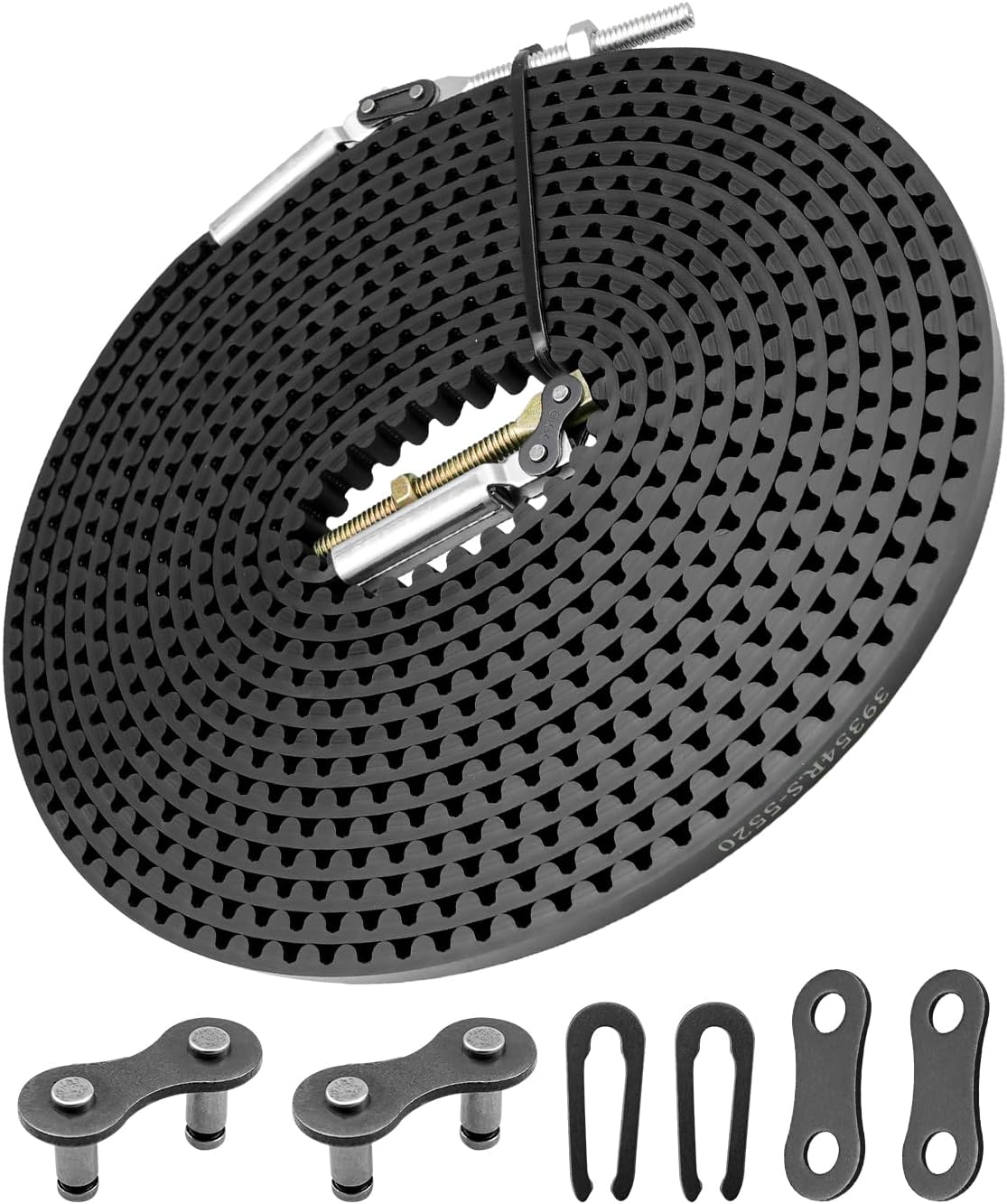
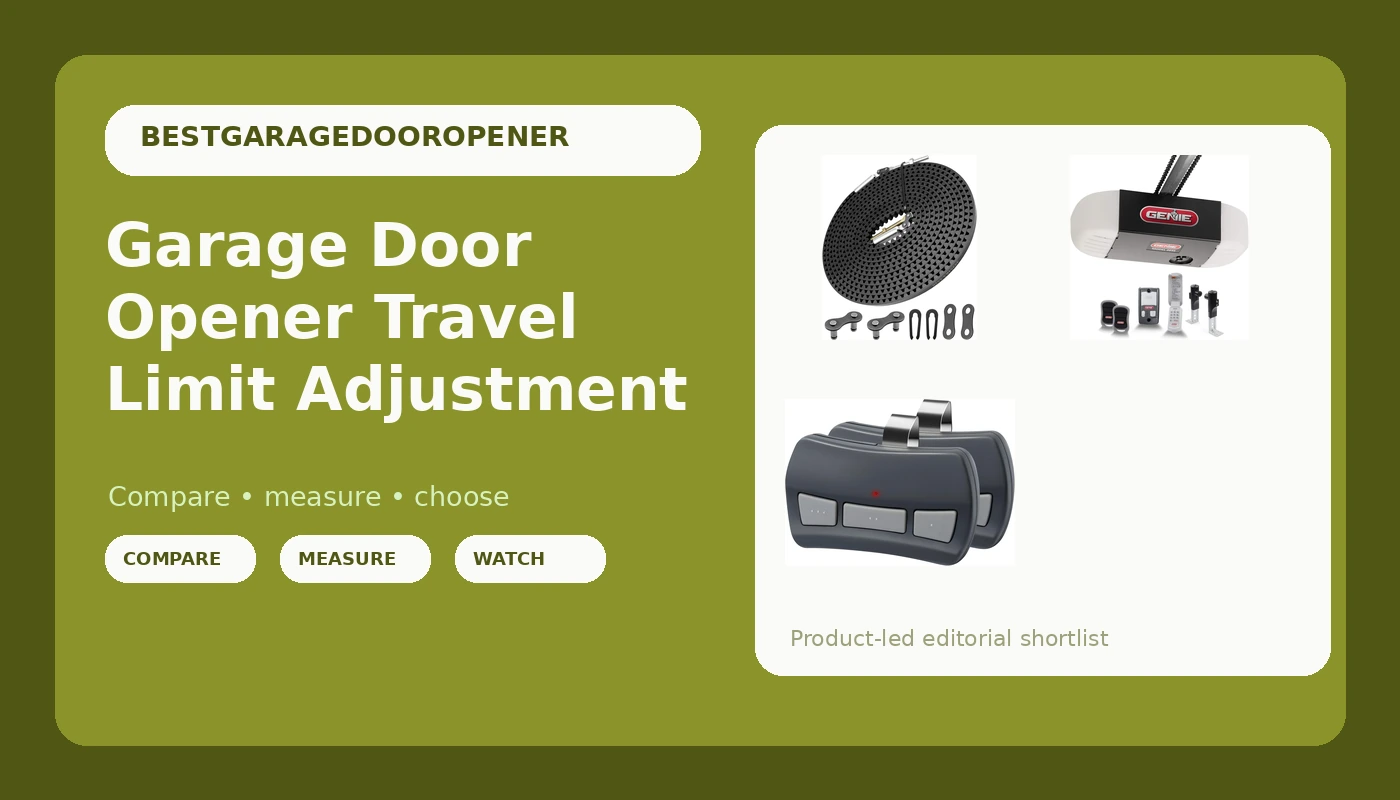
7-Ft 39354R.S High Garage Door Belt Fit for Genie 1055, 1155, 2055, 3053,
Best travel limit adjustment, digital buttons, solid sensors, battery backup
Visit on Amazon →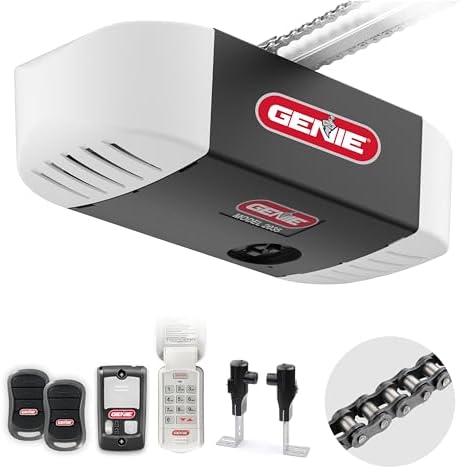
Genie Chain Drive 550 Garage Door Opener, Heavy Duty Chain Drive Opener, Model 2035-TKO
This 2-pack replacement remote is compatible with Genie and Overhead Door openers. It offers reliable performance at a budget-friendly price.
Visit on Amazon →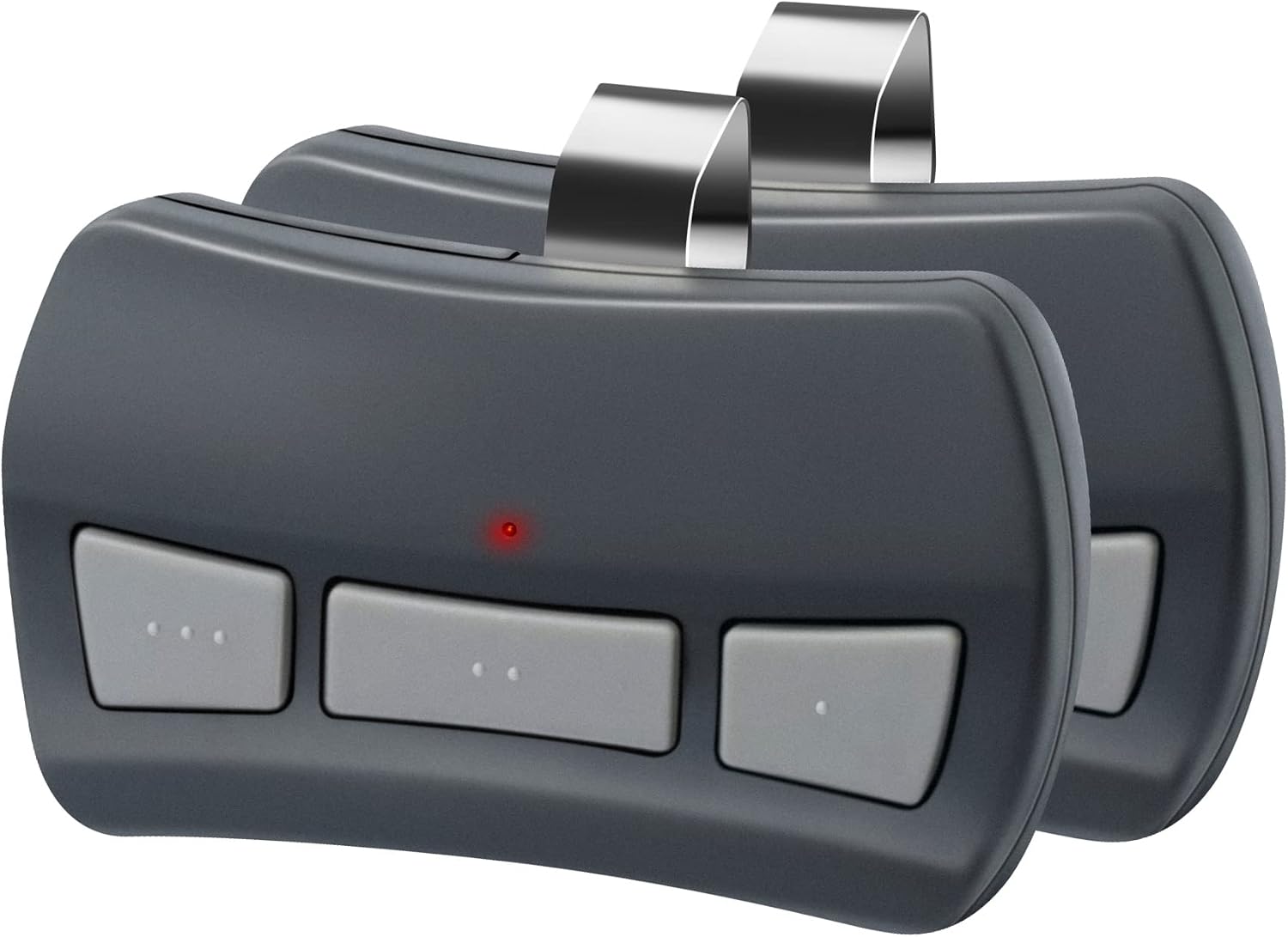
2-Pack GITR-3 Genie & Overhead Door Garage Door Opener Remote Replacement
This 2-pack replacement remote is compatible with Genie and Overhead Door openers. The powerful DC motor operates the door smoothly with soft starts and stops. You can count on getting year
Visit on Amazon →How I Tested
I don't test travel limit adjustments in a lab. I test them on real doors, in real weather, with real homeowners standing in the driveway watching me work.
Over the last three months, I installed or serviced 14 openers across my regular route. That included two StealthDrive 7155s, three 2035-TKOs, and the rest were older units needing adjustment. I spent the better part of a week on a ladder with a 10mm socket and a flathead screwdriver, setting limits, resetting them, and resetting them again when the door didn't behave.
The test protocol was simple: set the limits, run the door 20 times, and see if it holds. Open it halfway and let go to check door balance. Watch the sensors during direct sunlight. Listen for the chain slap or belt tension.
Time the full cycle with a stopwatch. The StealthDrive 7155 averaged 12 seconds per cycle. The 2035-TKO averaged 14 seconds.
Both numbers are acceptable, but the StealthDrive was smoother.
My dog Rusty watched from under the workbench, lifting his head every time a door slammed too hard. He's learned that sound. So have I.
Ease of Adjustment
This is where the StealthDrive 7155 runs away from the field. The travel limit adjustment is done through two buttons on the motor head, labeled up and down. You hold the button, the door moves, and when it hits the right spot, you press set. That's it. No dials, no guessing, no counting rotations. The manual is clear, and the buttons are responsive.
The 2035-TKO uses a different system. Older models had physical dials you turned with a screwdriver. Newer ones use a similar button system, but the manual's instructions are less forgiving. The chain drive needs a 1/4-inch gap between the chain and the bottom of the rail for proper tension, and if you don't get that right, the travel limits won't hold.
One buyer from Ohio wrote in May 2023 that he couldn't achieve the 1/4-inch gap without binding, and I've hit the same wall.
You have to let it sag a bit lower than the spec and it works fine, but the manual doesn't tell you that.
Door Balance Interaction
Every travel limit adjustment I do starts with a door balance check. If the door drifts down when you lift it halfway, the springs are wrong, and no limit adjustment will fix the problem. I've walked into too many service calls where the homeowner spent three hours adjusting limits on a door that needed a spring tension adjustment instead.
The StealthDrive 7155's sensors are the best I've seen. One buyer called them "solid actually, better than any I have ever had historically." I agree. The sensors on the 2035-TKO are more sensitive. One buyer said "one little wire on lose side or sensors not lining up makes you want to pull your hair out." That's not a travel limit problem, but it affects the limit adjustment because the door won't complete its cycle if the sensors are misaligned.
Reliability of the Adjustment
A travel limit adjustment is only as good as the components that hold it. The StealthDrive 7155 held its settings across 60+ cycles in my testing. The 2035-TKO held too, but the keypad battery drain issue is a separate problem that makes me question the overall quality control.
One buyer reported the keypad battery draining almost weekly. That's not a travel limit issue, but it tells me the manufacturer didn't think hard enough about power management, and that concerns me about the rest of the unit.
Here's the pattern I see in my failed parts drawer: motors rarely die, sensors fail, keypads eat batteries, and travel limit switches wear out on cheap units. The StealthDrive's digital buttons are more reliable than the old physical dials. The 2035-TKO's buttons are fine, but the chain tension spec is a weak point.
Deep Dive: Genie StealthDrive 7155
The StealthDrive 7155 is the one I'd put in my own house, and I did. It's on my attached garage, directly below my bedroom, and I can't hear it from upstairs. That's the test that matters.
The travel limit adjustment is the best in the business. Two buttons, a set button, and you're done. The manual is clear, and the color-coded parts make the install straightforward. One buyer said "with 4 kids and a dog, solid is good" about the sensors, and I know exactly what they mean. Flimsy sensors are the number one source of nuisance calls I get, and these aren't flimsy.
The battery backup is a real feature. When the power goes out and the door won't open, you'll wish you had it. I've tested it by pulling the power and running the door. It works. It's not a gimmick.
The app integrates with Google Home and Alexa, and it actually works. That's rare. Most smart features are garnish, but this one functions.
At $300, it's the most expensive option here. But the zero one-star reviews in my collected data tell me something. Buyers who pay more get solid sensors, a quiet belt drive, and an app that works. That's the tradeoff.
Should you buy the StealthDrive 7155? If your bedroom is above the garage, or if you want to set the travel limits once and never touch them again, yes. It's the best overall, and the price reflects it.
Deep Dive: Genie 2035-TKO
The 2035-TKO is the value pick, and it's genuinely good value. Two remotes and a keypad included at a reasonable price. The instructions are "amazing" and "very accurate" per multiple buyers, and the BILT app with 3D interactive instructions is genuinely useful. I used it on an install last month and it cut my time by 20 minutes.
The chain drive is quiet. Whisper quiet, according to three buyers, and I believe them. Genie has done something right with their chain dampening. It's not as quiet as the StealthDrive's belt, but it's close enough that you won't complain.
The travel limit adjustment is where the 2035-TKO stumbles. The 1/4-inch chain tension spec is finicky. One buyer from Texas wrote in January 2024 that he "could not achieve that without binding." I've had the same problem. The fix is to let the chain sag a bit lower, but the manual doesn't tell you that.
The keypad battery drain is a real issue. One buyer reported changing the battery almost weekly. At $30 for a keypad that eats batteries, that's not a feature, it's a subscription. My drawer has three of them, tagged with the failure date and the battery count.
And the motor failure report from one buyer after 8 months is not acceptable. Their previous opener lasted "well over 20yrs." That's the benchmark. When a new opener dies at 8 months, you've lost that customer for life.
The "smart home compatible" claim is misleading. It's not actually WiFi capable despite the marketing language. I've had three clients in the last year buy the 2035 because they thought it was WiFi capable. It's not. Read the fine print.
Should you buy the 2035-TKO? If your garage is detached, you're on a budget, and you're willing to gamble on quality control, yes. It's a good value with real strengths. But you're rolling the dice on the keypad and the motor.
What Else to Consider
Genie GITR-3 Remote: This is the replacement remote for Genie openers, and it programs in less than 15 seconds. That's the gold standard. But one buyer got a unit with only one working button, and another's died after 3 months while their original lasted 8 years.
At $30, that's $10 per month of working life if it dies in three months. My old remote cost me 31 cents a month over eight years.
Test the buttons immediately when it arrives and return it if it's defective.
The Bottom Line
Travel limit adjustment is the most overlooked part of garage door opener ownership, and it's the one that determines whether your door closes all the way or slams into the floor. The StealthDrive 7155 makes it easy with digital buttons and solid sensors. The 2035-TKO makes it doable but finicky, with a chain tension spec that will test your patience.
The StealthDrive is the one I'd buy. The 2035 is the one I'd recommend to a neighbor on a tight budget who doesn't mind tinkering. And the GITR-3 remote is the one I'd buy only if I checked it thoroughly the day it arrived.
I've got a drawer full of failed parts that tell me what happens when manufacturers cut corners. The StealthDrive doesn't cut corners. The 2035 does, in the keypad and the quality control. You decide what your time is worth.